
Fabrics can be a very difficult topic to navigate. Most of the time when you’re buying an item, it’s usually based on the ‘handfeel’ of the garment, meaning how soft it is in your hand, how thick it is, etc. With online shopping this becomes a lottery of quality and properties.
Most people live in climates that change throughout the year. You probably can’t get away with living in the same clothes during summer and winter. That’s not to say you cannot wear the same top in winter and summer, but you need to consider the multiple layers of clothes you will wear!
This is something that’s often overlooked when it comes to purchasing clothes. I typically wear the exact same set of crop tops all throughout the winter despite it going well below freezing. This is because I just add another layer of a sweater or hoodie underneath my winter jacket. You should keep the layering potential of a piece in the forefront of your mind when buying things.
Generally speaking the first thing to determine what “season” a piece fits into is when it’s being sold and how it’s marketed. You aren’t going to see a lot of linen being sold in the winter as an example since it doesn’t insulate heat and is very light. You also won’t see a lot of wool or cashmere being sold in the summer.
The material the garment is made of but that usually doesn’t tell you much, especially if it’s a blend of synthetic fabrics. If you are able to feel it in your hand you can get a much better idea of the specific fabric’s properties. For example calfskin leather could still just say ‘leather’ on the label despite being quite different from regular cowhide.
Let’s go over the general properties of the most common fabrics you’ve probably at least heard of. Because the textile industry is so large, not all fabrics are created equally. Natural fabrics are more standardized in their properties when not a blend of multiple textiles. This article will not include everything as it would be too long.
Synthetic Fabrics
- Polyester
- Can refer to basically any synthetic fabric made of polyester. There is no standard for what it encompasses due to its versatility.
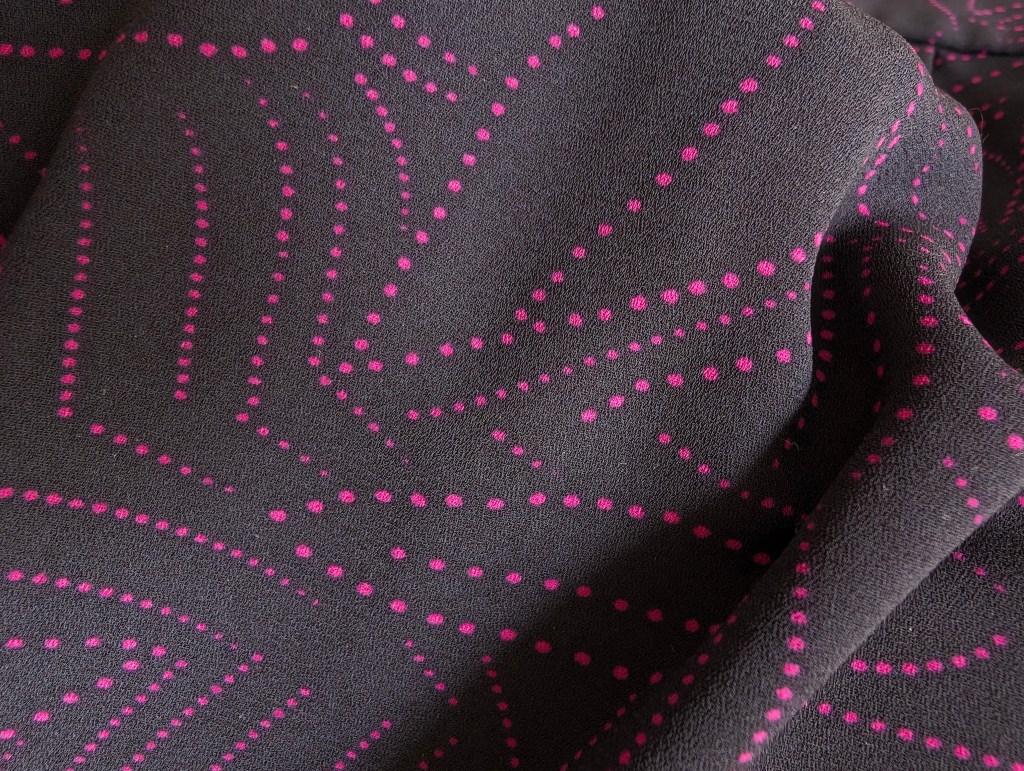
- Acrylic
- A synthetic fabric often used as a substitute for wool to cut down on costs. Usually lightweight and rather soft to the touch. Keeps you somewhat warm and is moisture repelling.
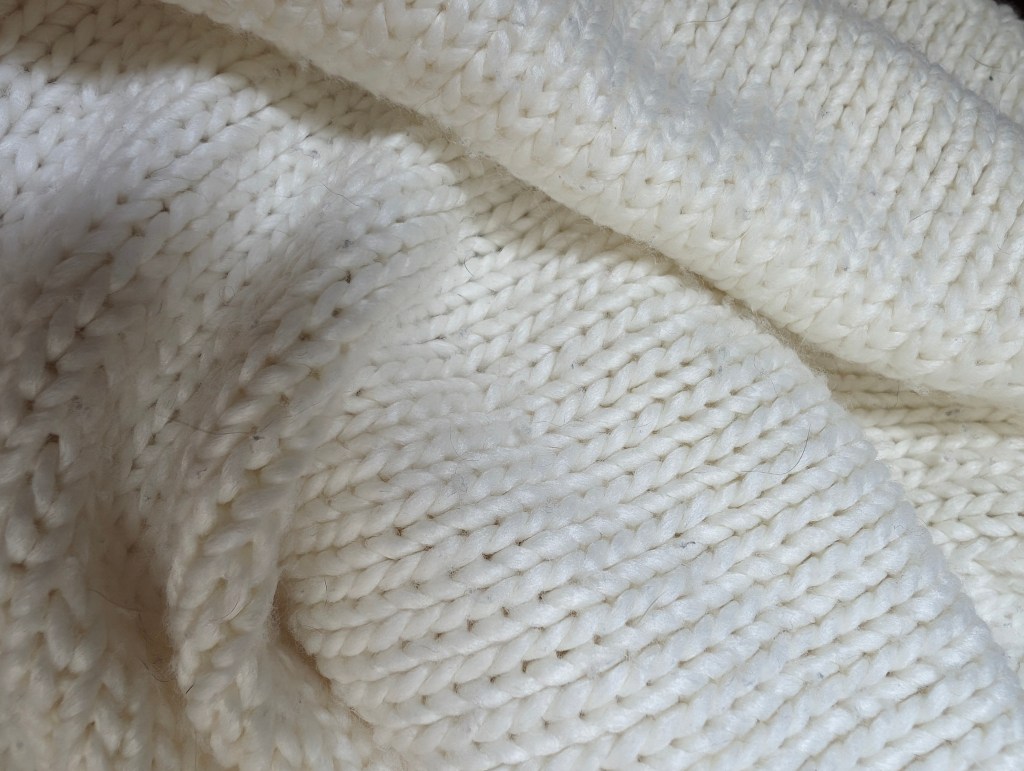
- Polyurethane / Polyethylene
- What is most often used in fake leather. Derivative of polyester. Moisture repelling and insulating, so can be very sweaty. Prone to cracking far more than real leather.
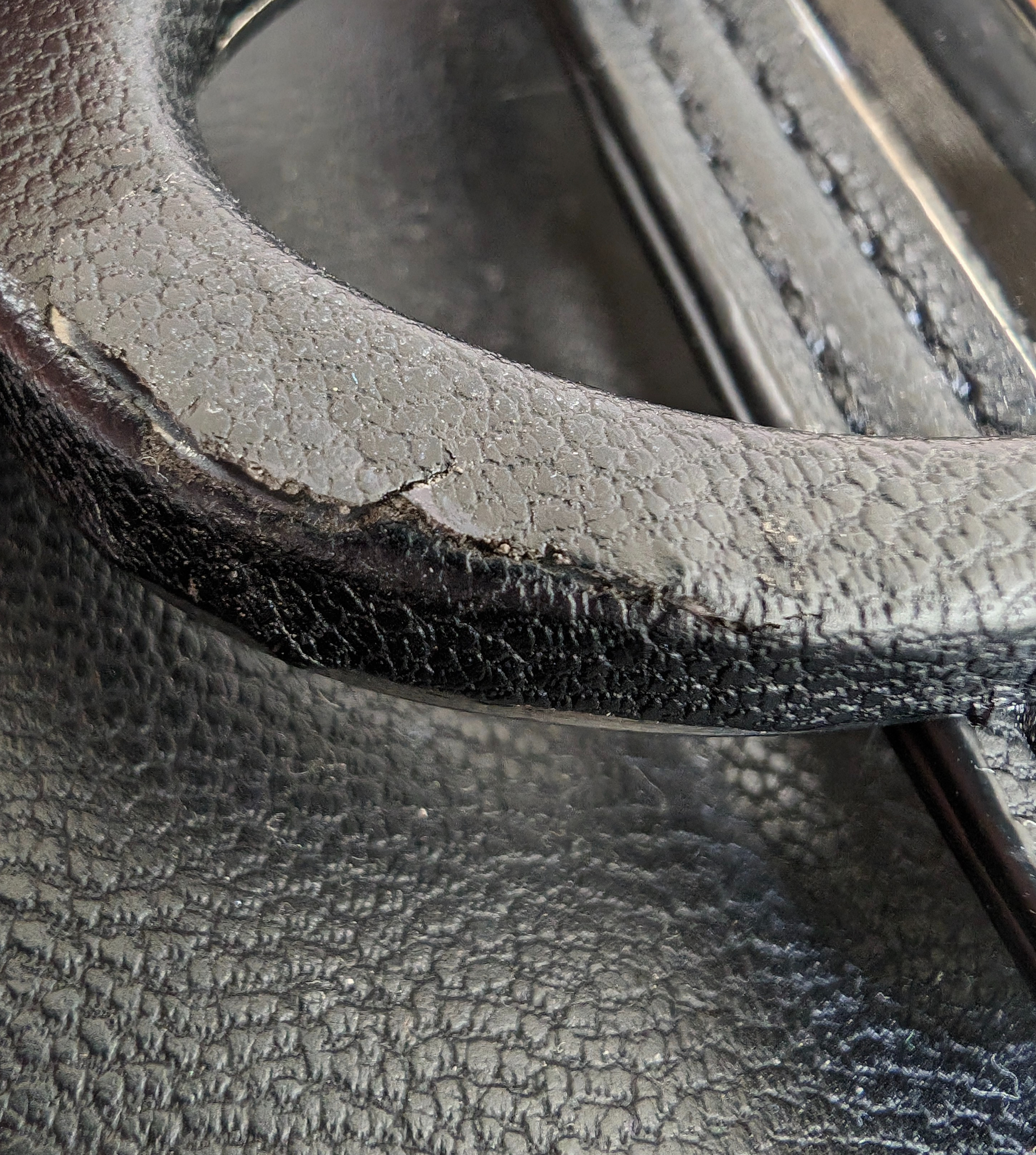
- Nylon
- A lightweight and very stretchy moisture wicking fabric. Wide variety of properties but most commonly found in exercise clothes.

- Elastane/Spandex
- Fiber designed to give stretchy properties to your piece. Not usually found alone.
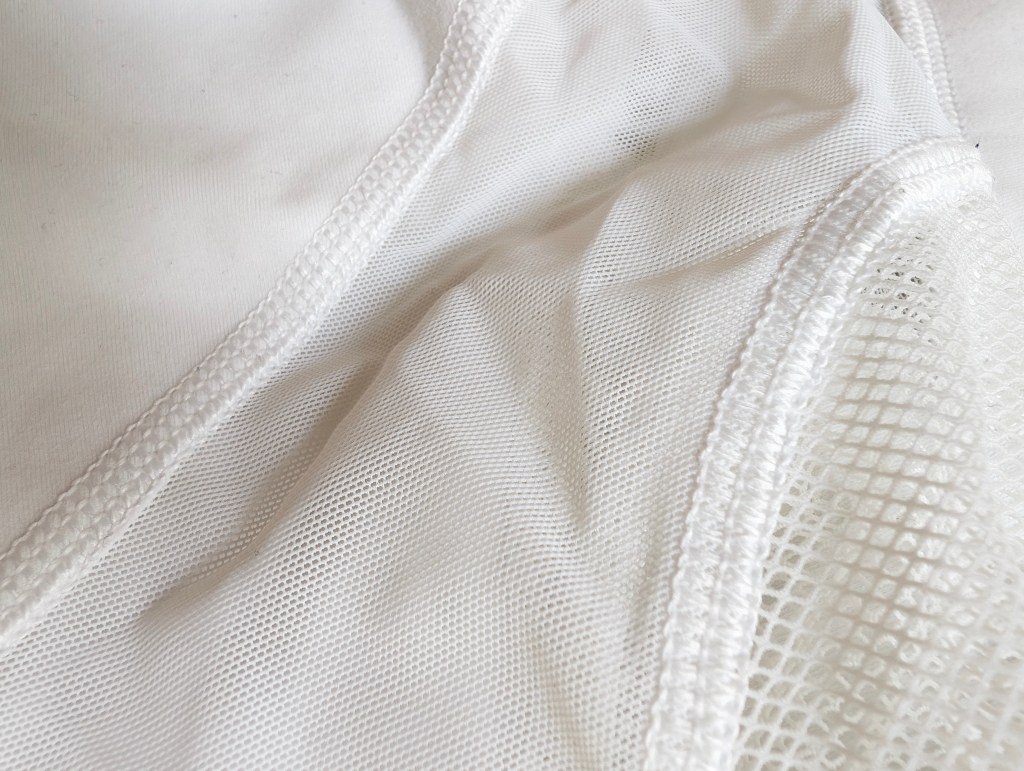
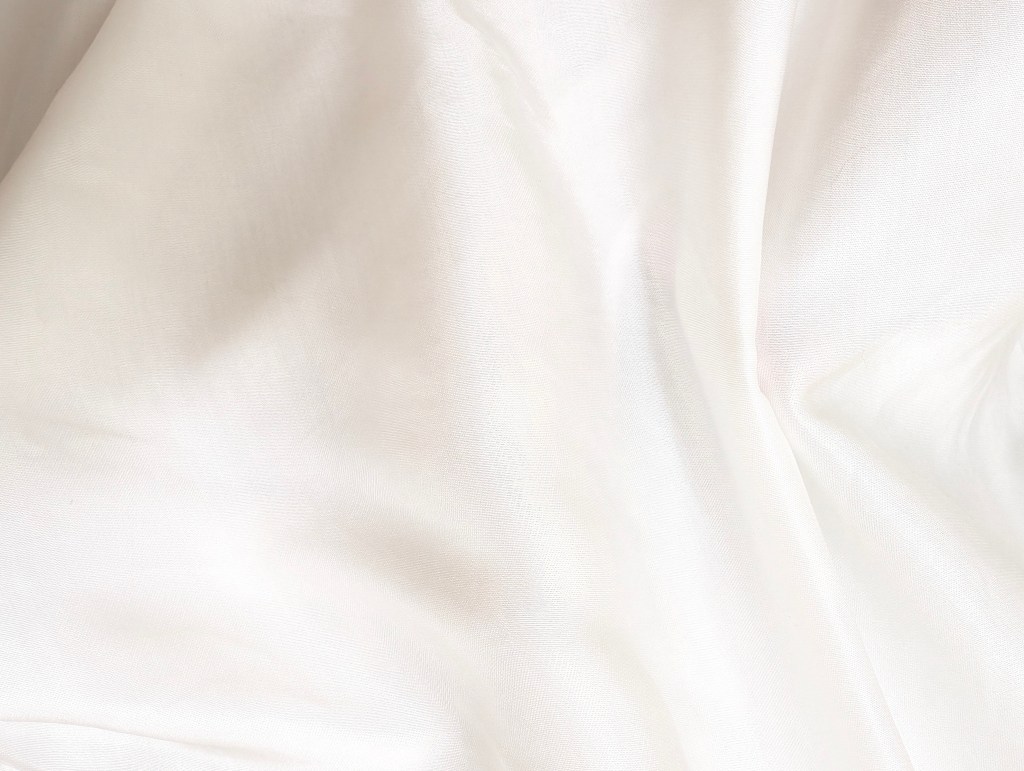
- Satin
- Typically made from polyester, meant to mimic silk but for a much lower cost. Comes in a massive scale of qualities. To read more about what satin is and where it comes from, I recommend reading this!
Natural Fabrics
- Cotton
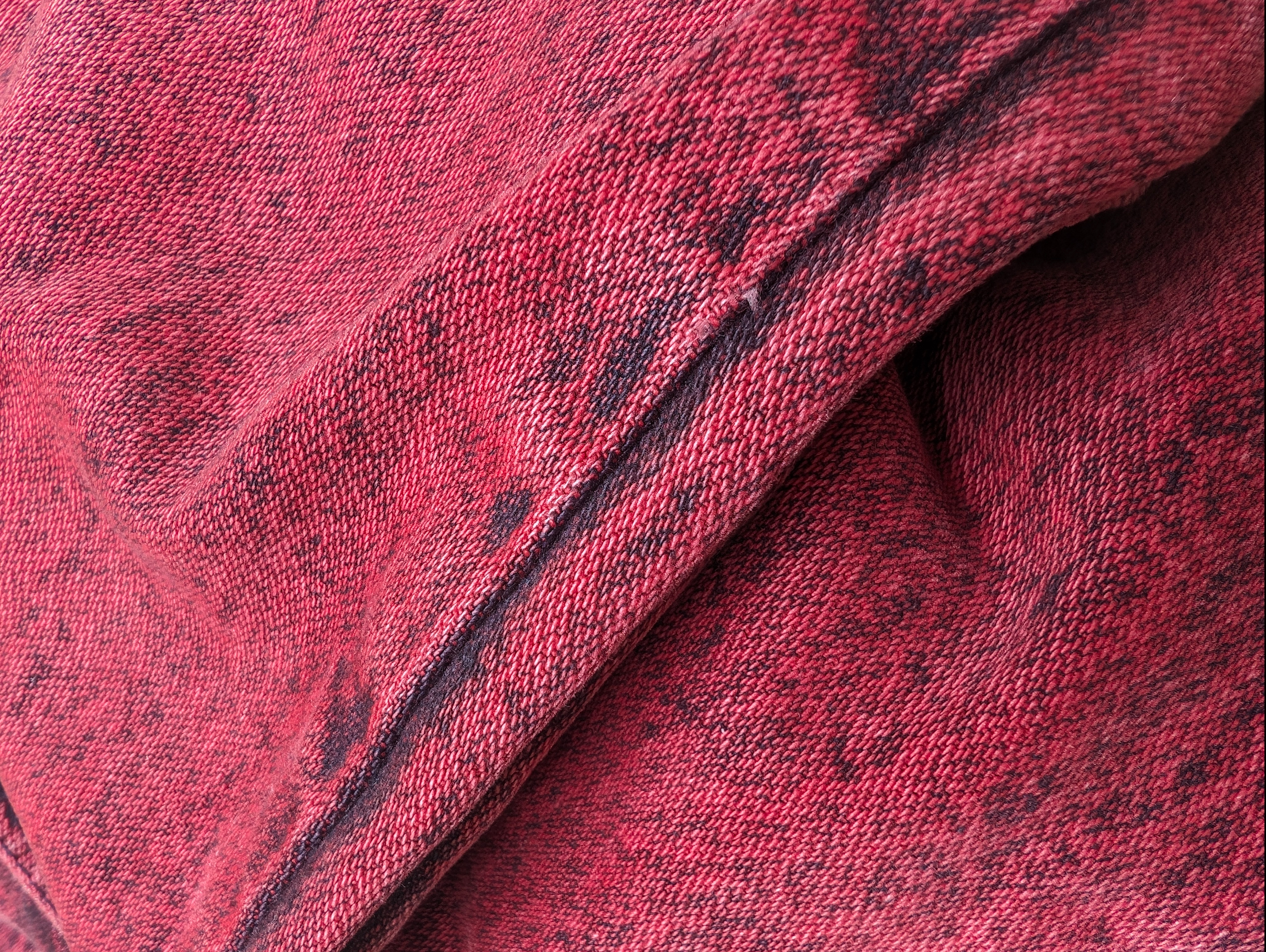
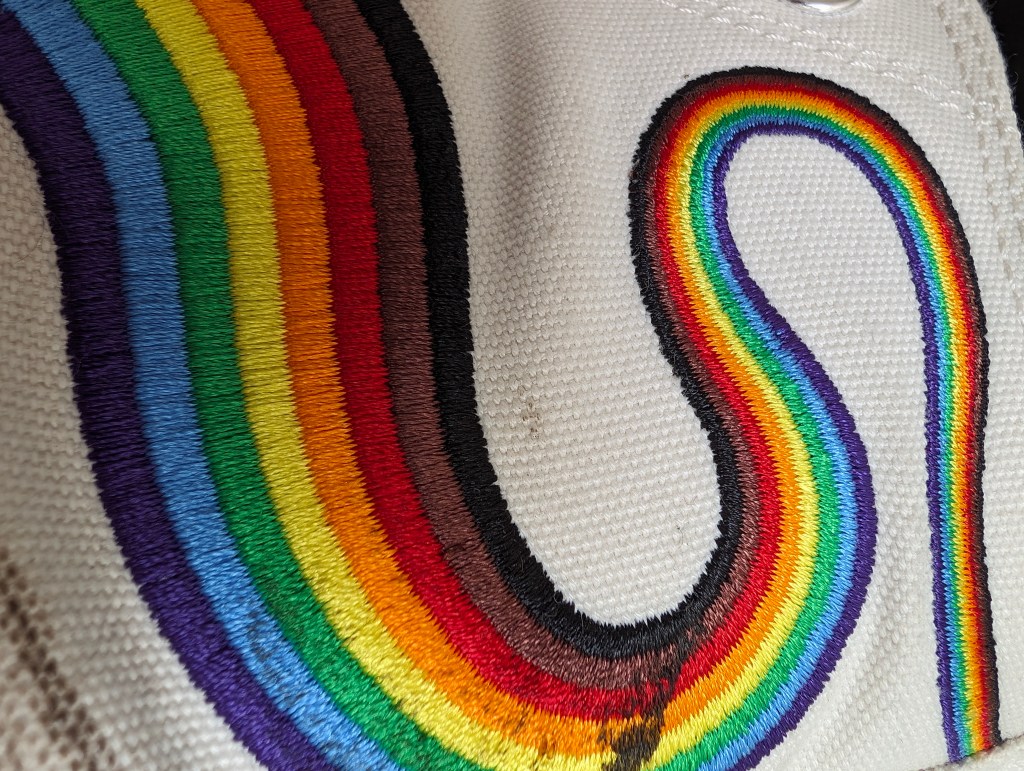
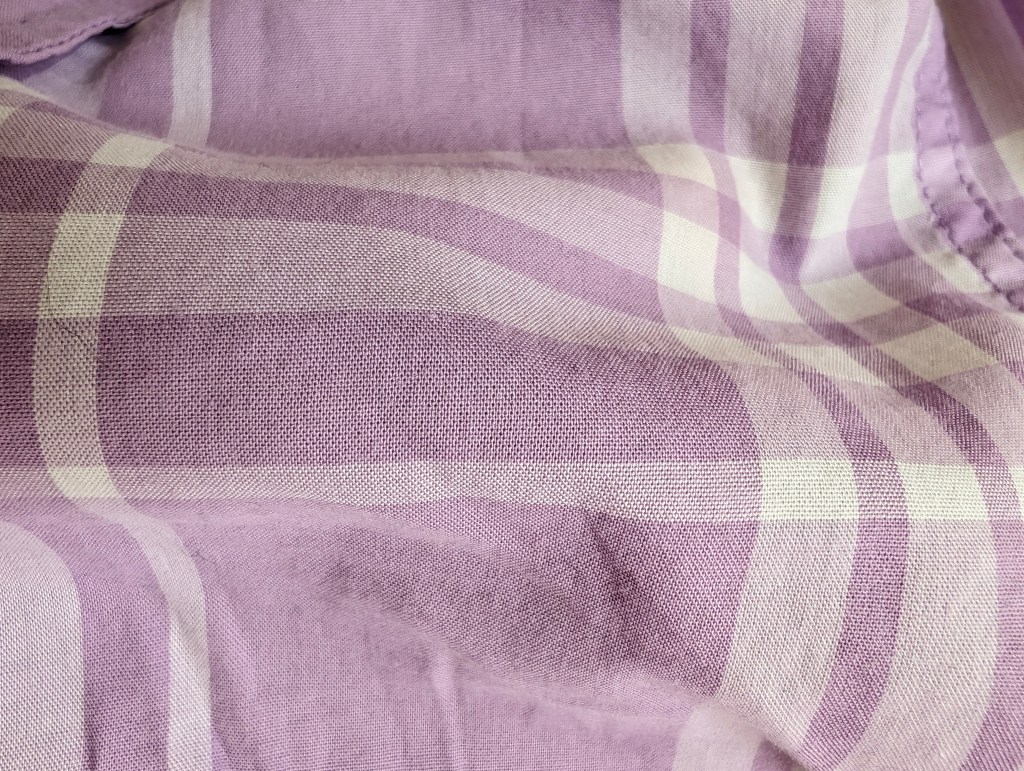
- A durable fabric that is quite breathable. Comes in many grades of quality and properties. One of few fabrics that can be worn year round provided it is not a heavy weight. Below you can seen denim, canvas and a cotton shirt.
- Leather
- Real leather is made of animal skin, and can include anything from snakes and frogs to cows and horses. Properties vary immensely but typically are far more durable than plant fiber fabrics and most synthetics. A good resource to learn is https://www.leather-dictionary.com/index.php/The_Leather_Dictionary
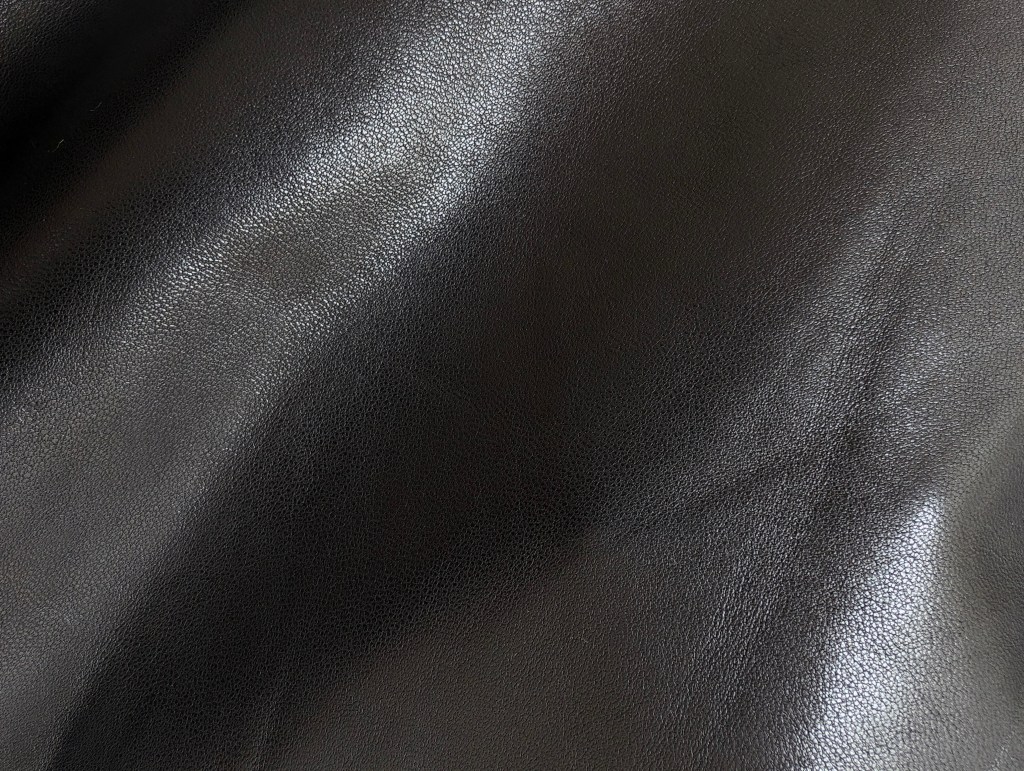
- Plant leather is becoming a more common alternative to polyurethane. Keep an eye on it as it develops further, it’s still relatively new!
- Linen
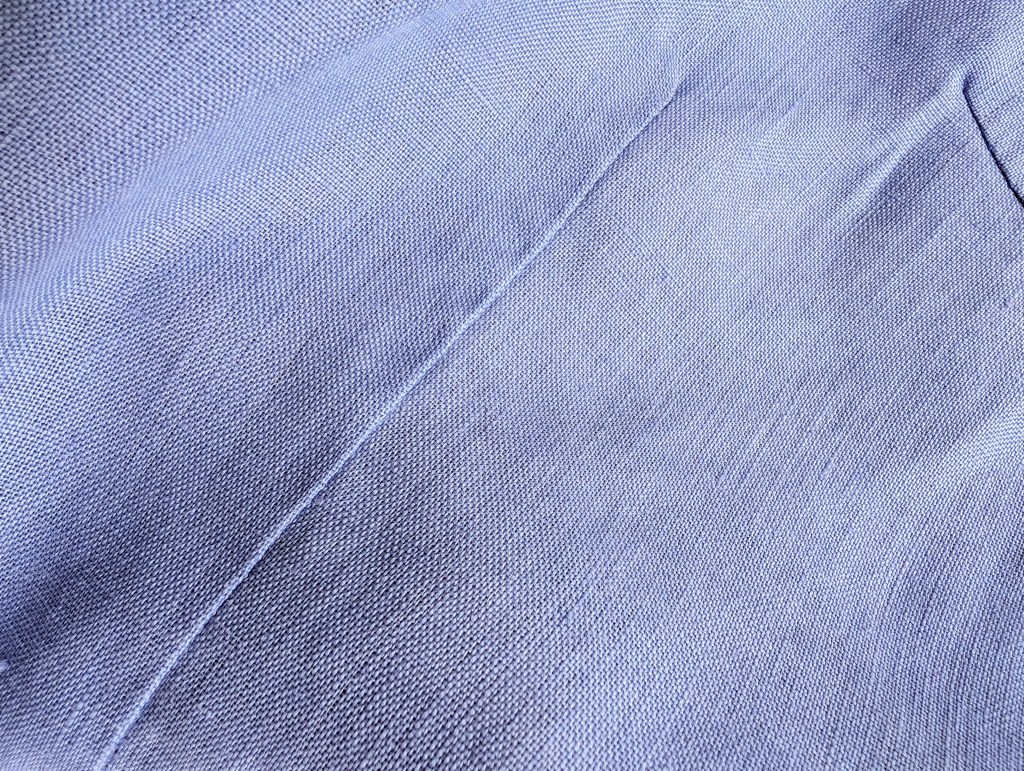
- VERY lightweight fabric. Moisture wicking and quite soft. Prone to wrinkling from just existing. Feels somewhat ‘gritty’ to the touch when rubbing between fingers, but is still relatively soft.
- Wool
- Fabric made from the hair of sheep. Comes in many forms but is typically not as soft as other fabrics. A warm and insulating fabric that has some moisture wicking properties.

- Merino wool
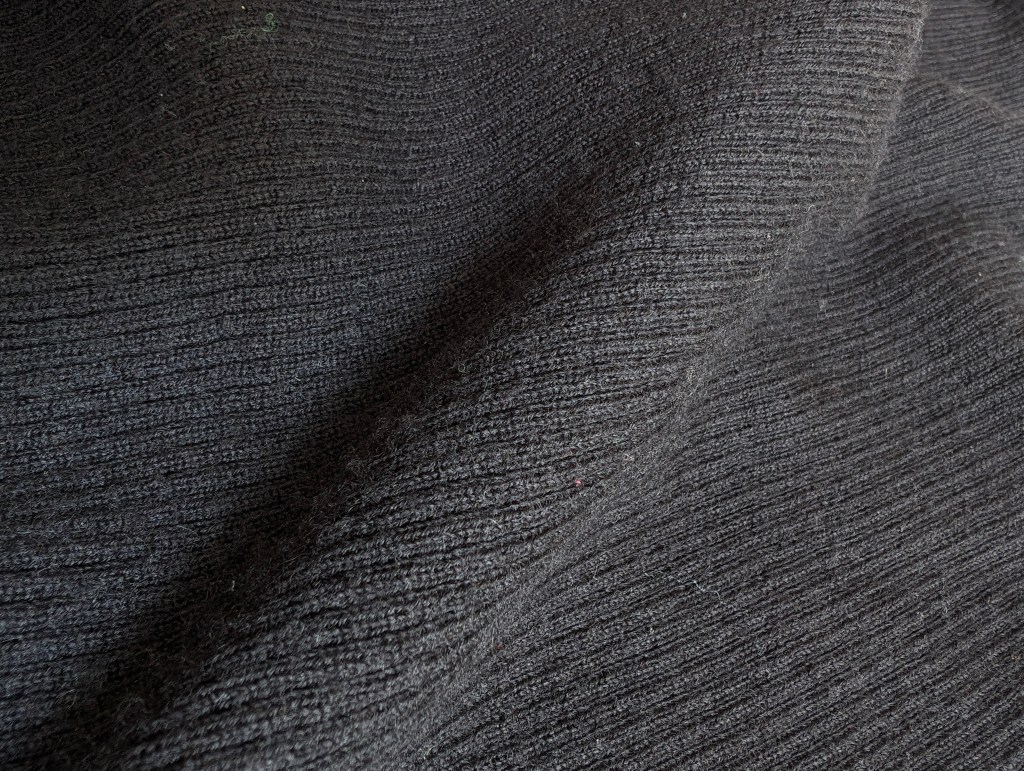
- A type of wool that is typically much softer and lighter weight. Has same, if not better insulating properties. More prone to pilling than regular wool.
- Cashmere
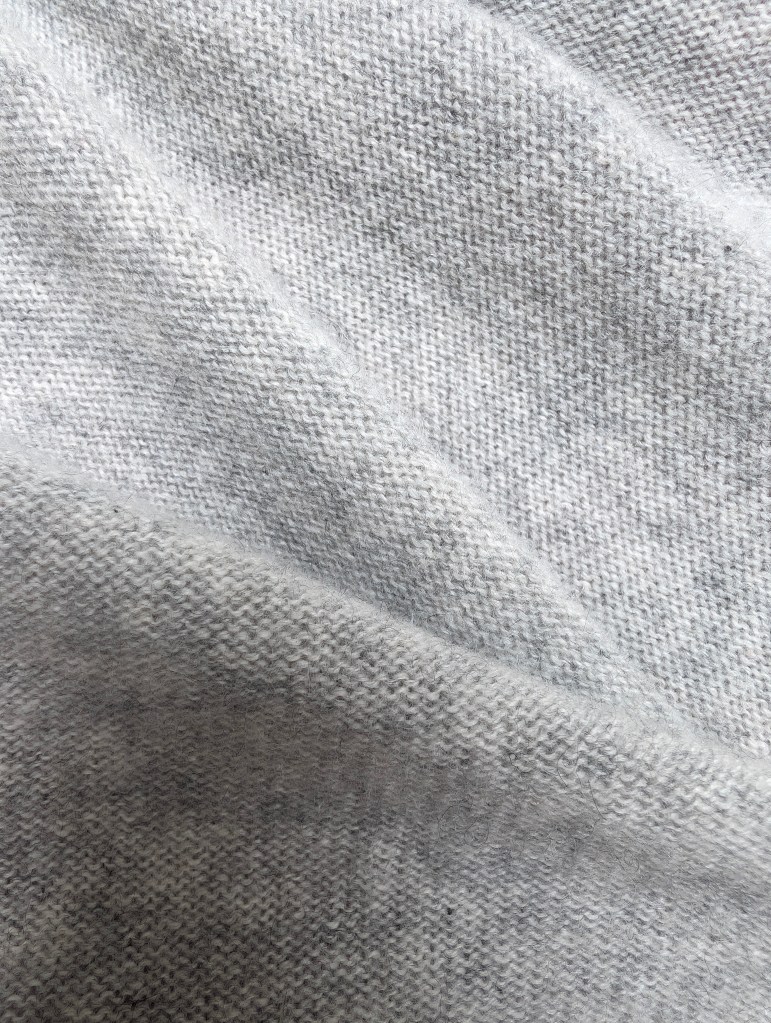
- A VERY soft and very insulating type of wool. Typically much more expensive. Very delicate as it is prone to pilling.
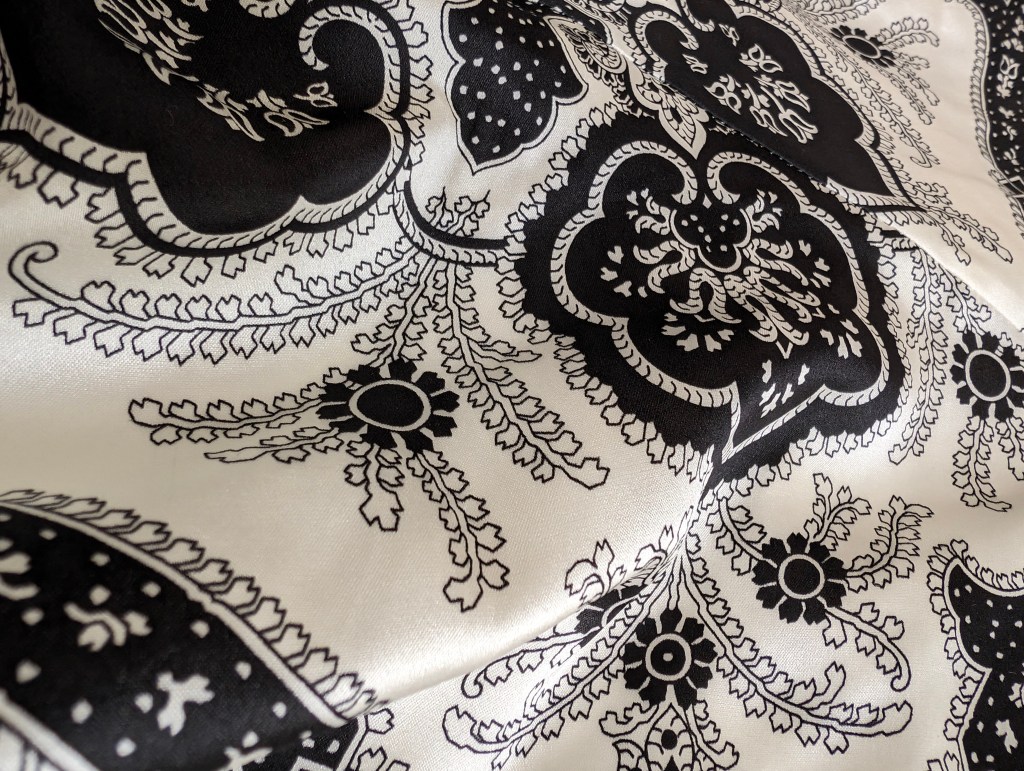
- Silk
- Made from the fibers of silkworms, it is a very light and soft fabric. It also is very resistant to being torn due to high tensile strength.
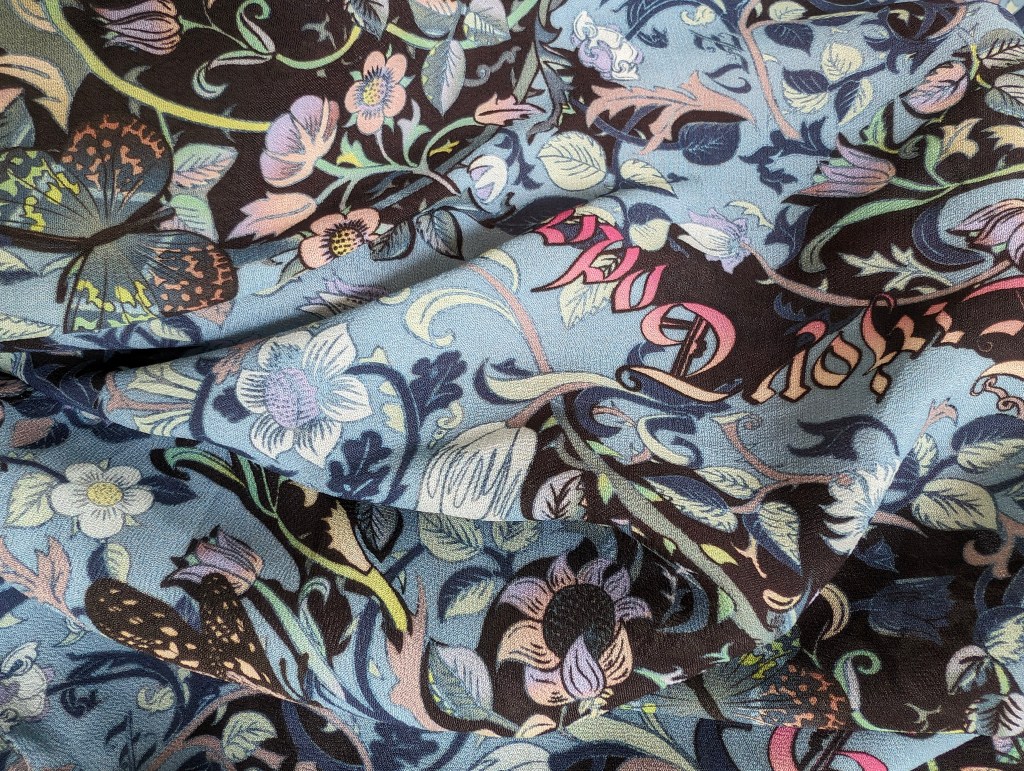
- Rayon / viscose
- A semi-synthetic fabric made from using tree cellulose. Often lightweight and flowy. Highly breathable and moisture wicking. Comes in many forms.
So as you may have noticed there’s generally a few key properties that fabrics have
- Heat insulation
- Weight
- Moisture retaining/repelling
Because there’s such a wide variety of fabrics made of the same material, I’m excluding how it feels in the hand because it truly depends on the manufacturer. A prime example of this is satin, there’s satin out there that I find softer than silk.
Now that we understand what kind of fabrics generally do what, let’s categorize them a bit and make some outfits after. If a fabric has ‘(layered)’ next to it, that means you should wear another layer over top to make sure you’re warm enough, no bracketed text means you should be fine wearing this fabric by itself as a sweater for example.
The standard we are using is a long sleeve standard shirt (or sweater for winter). We are not accounting for climate differences or daily weather like rain and wind. A bra doesn’t count as a layer.
Spring
- Cotton
- Nylon (layered)
- Leather
- Silk/Satin (layered)
- Cashmere
- Rayon/Viscose (layered)
- Wool

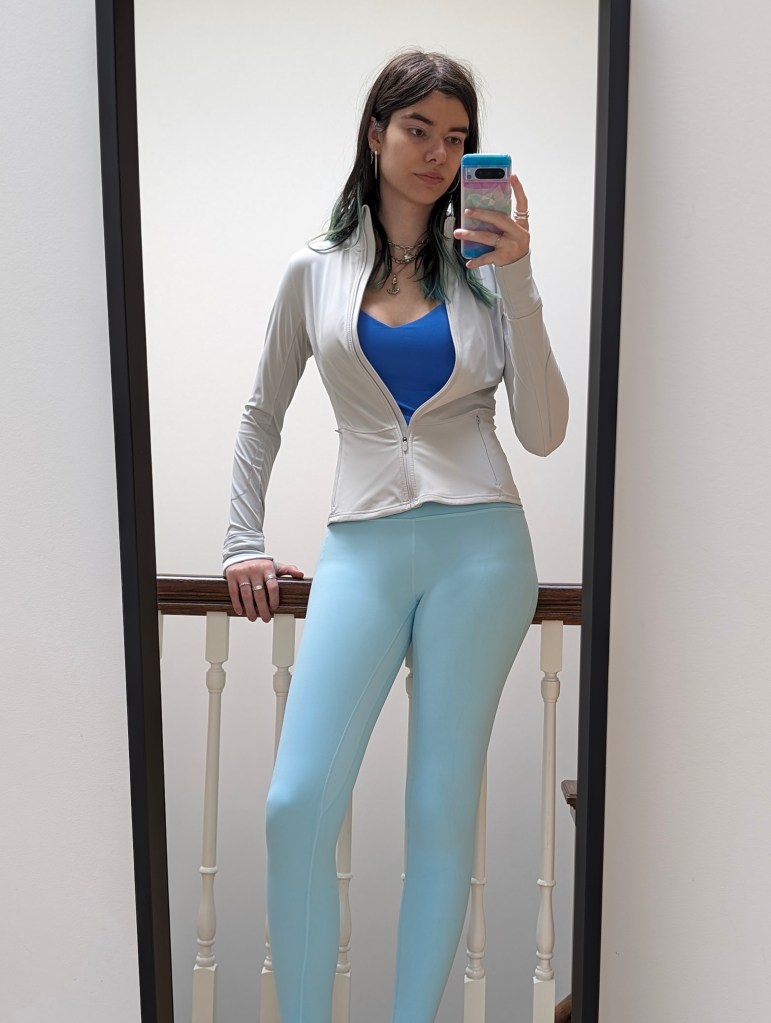
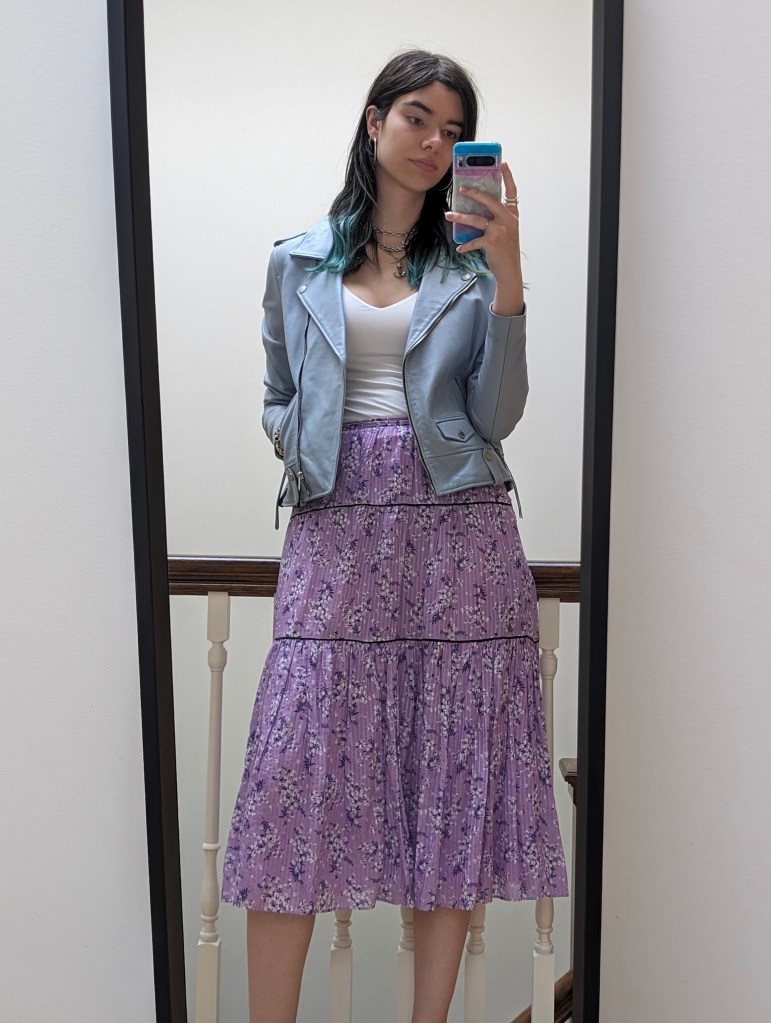

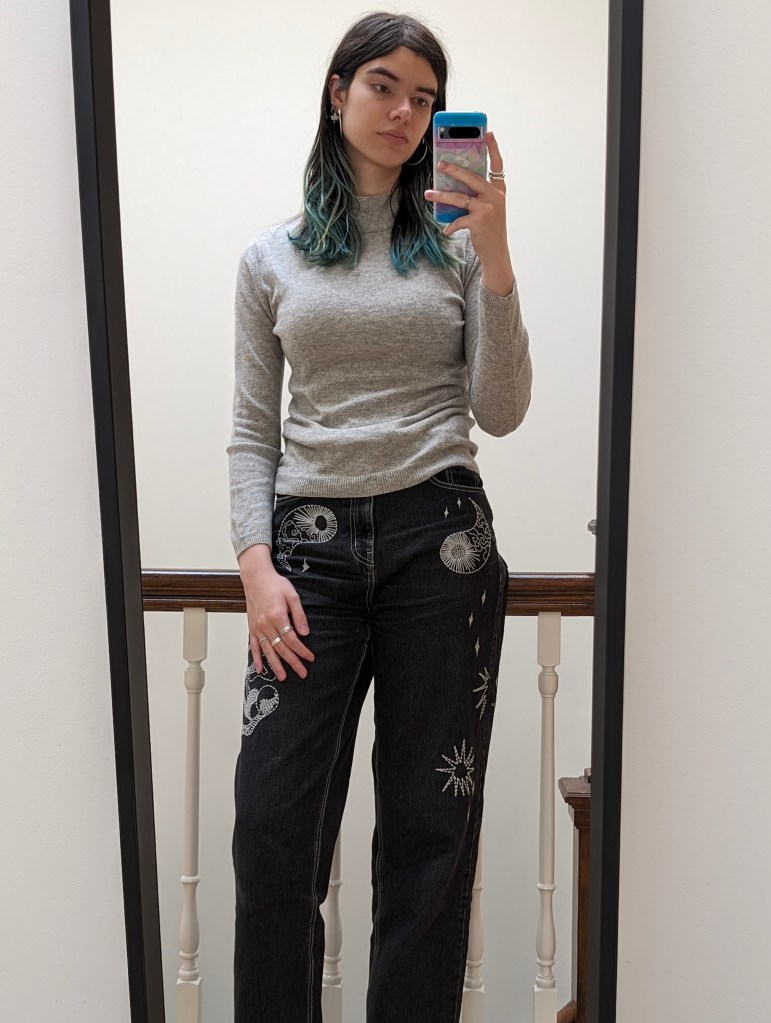
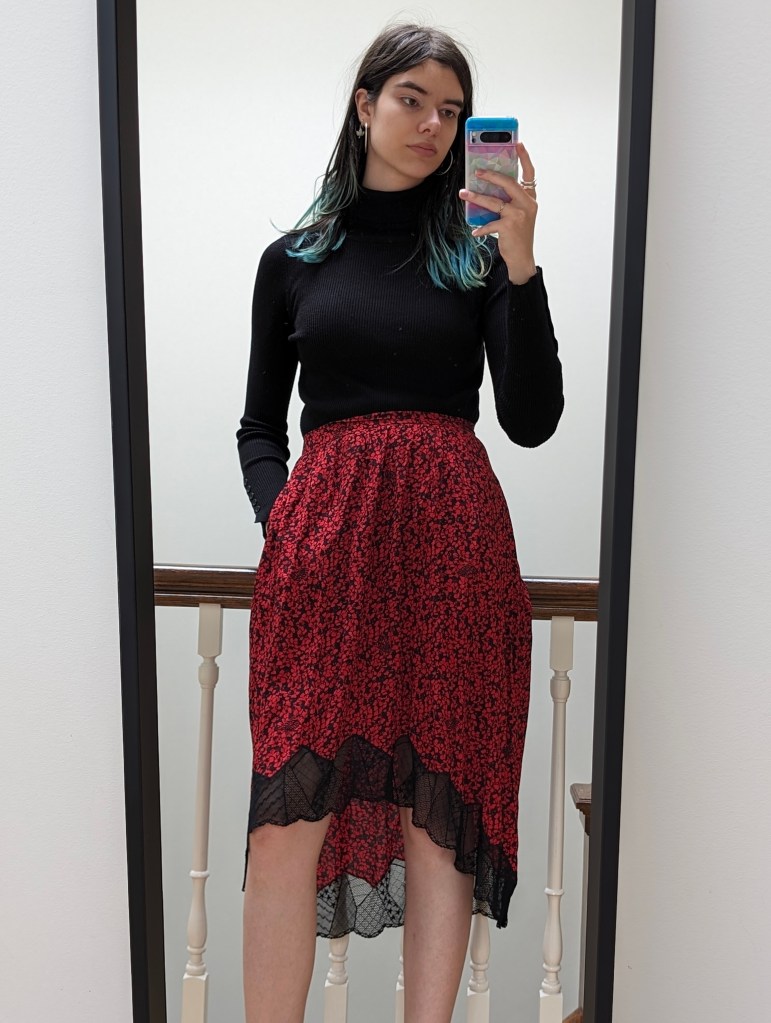
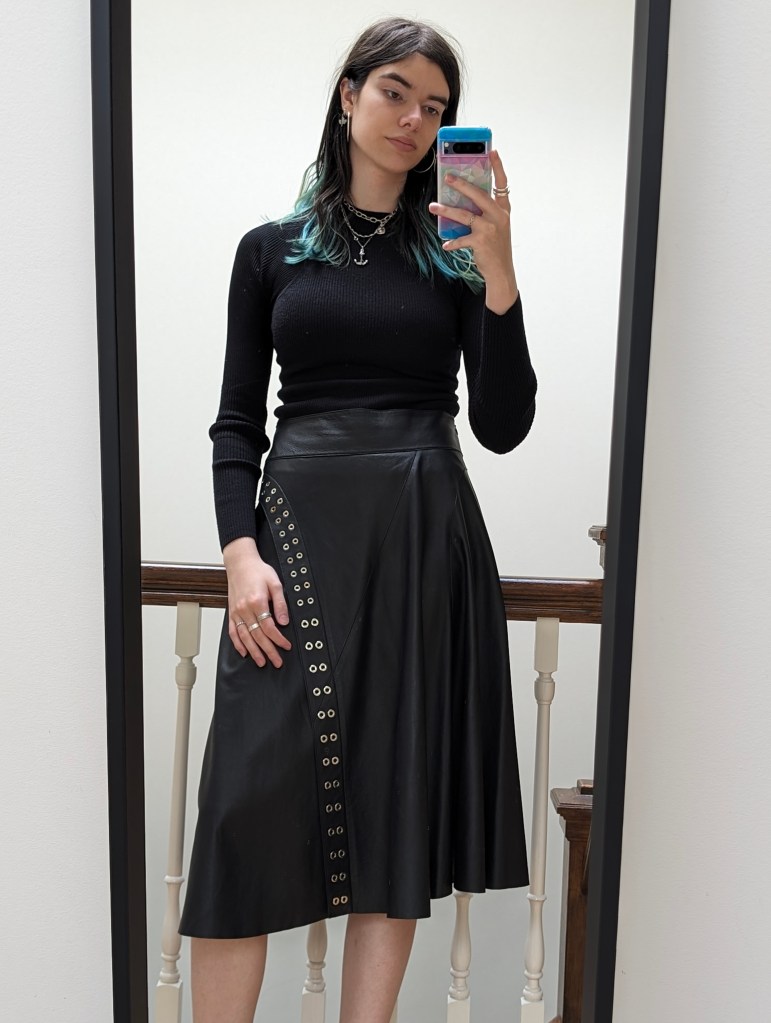
For Spring, try and keep your fabrics to only a light amount of insulation if any. Where I live, it can rain and be quite windy during this time of year but isn’t terribly cold most days so I aim for thicker fabrics like denim or leather. Light layers if any. Cotton is probably the best suited for spring. Silk can keep you decently warm as well!
Summer
- Cotton
- Linen
- Rayon/Viscose
- Silk
- Nylon
- Satin
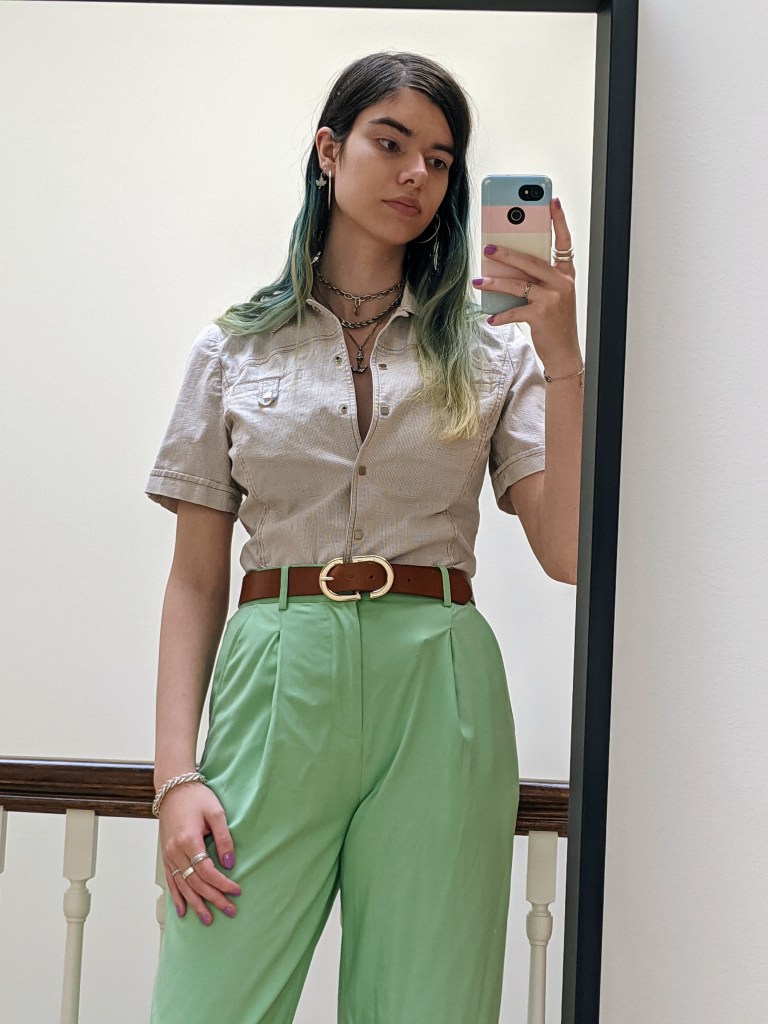
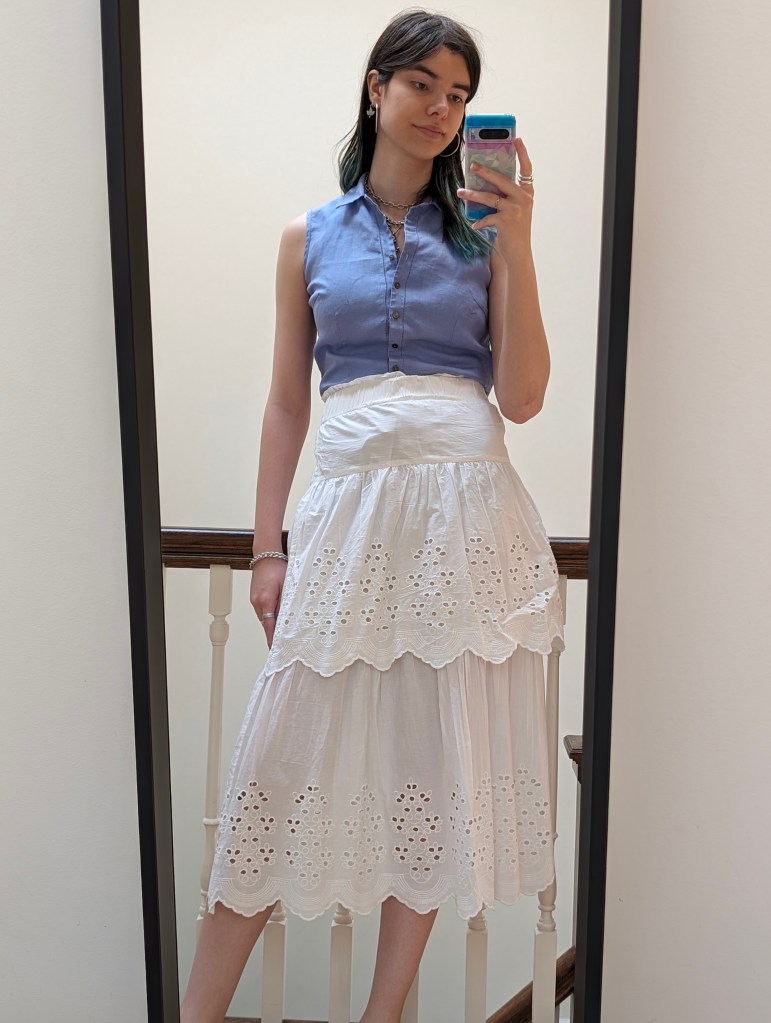
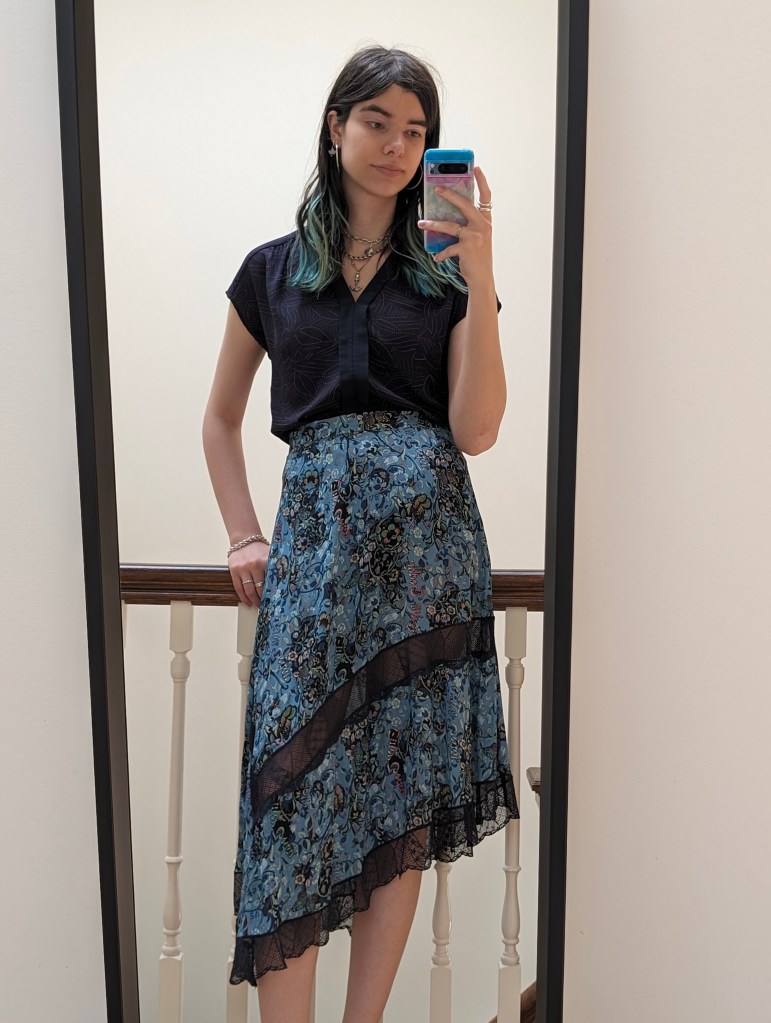
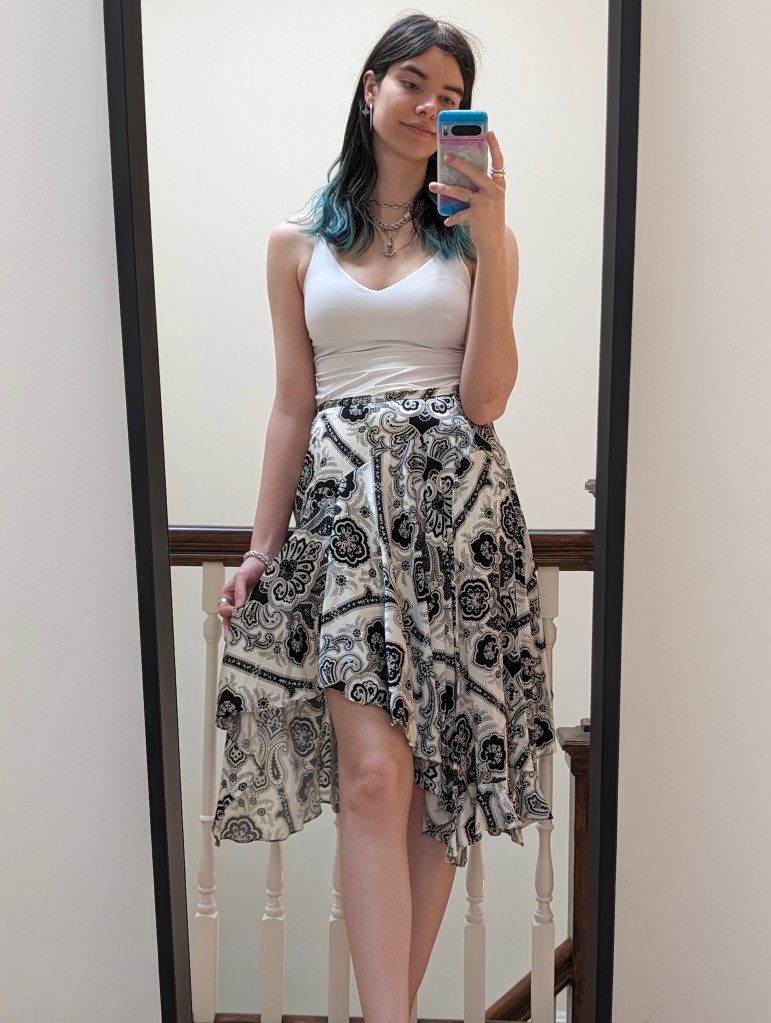
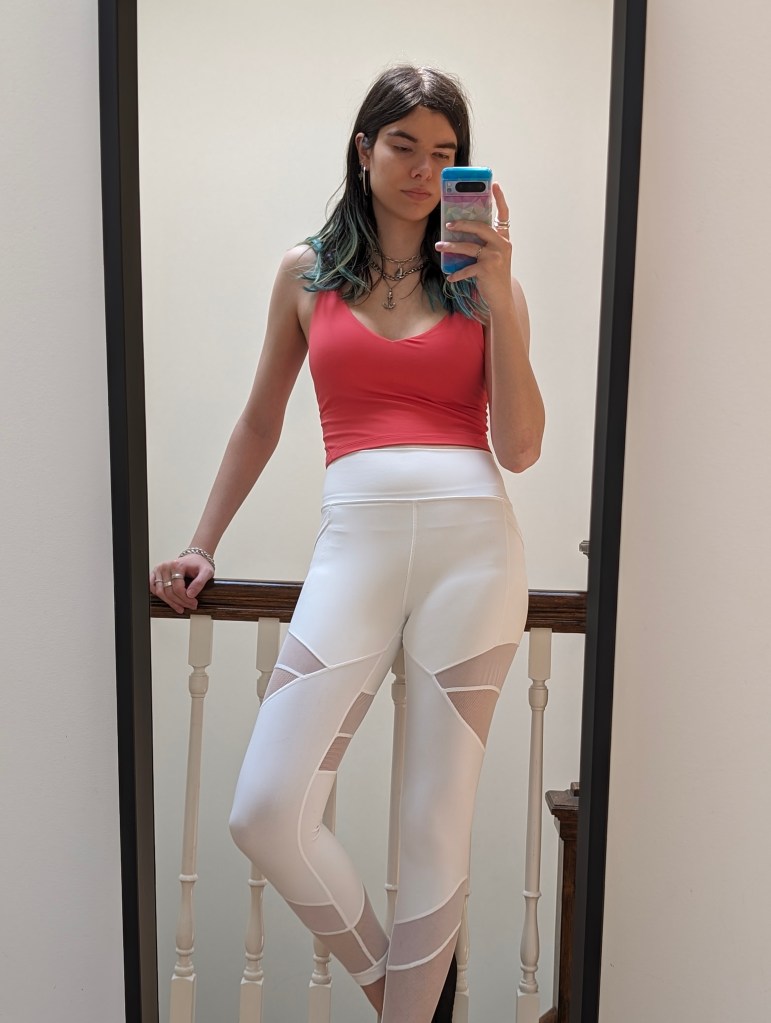

Summer is quite hot and so keeping your body cool is key. Moisture wicking and flowy fabrics that leave room for your skin to breathe are important, linen is the best example of a natural fabric that fits perfectly into summer weather. Synthetic fabrics that are moisture wicking can also be good, but try and avoid darker colors as they will absorb the sun’s heat. Cotton is also a solid choice as long as it is light enough. This is prime silk season as well!
Fall
- Acrylic
- Leather
- Wool
- Cotton
- Cashmere
- Nylon (layered)

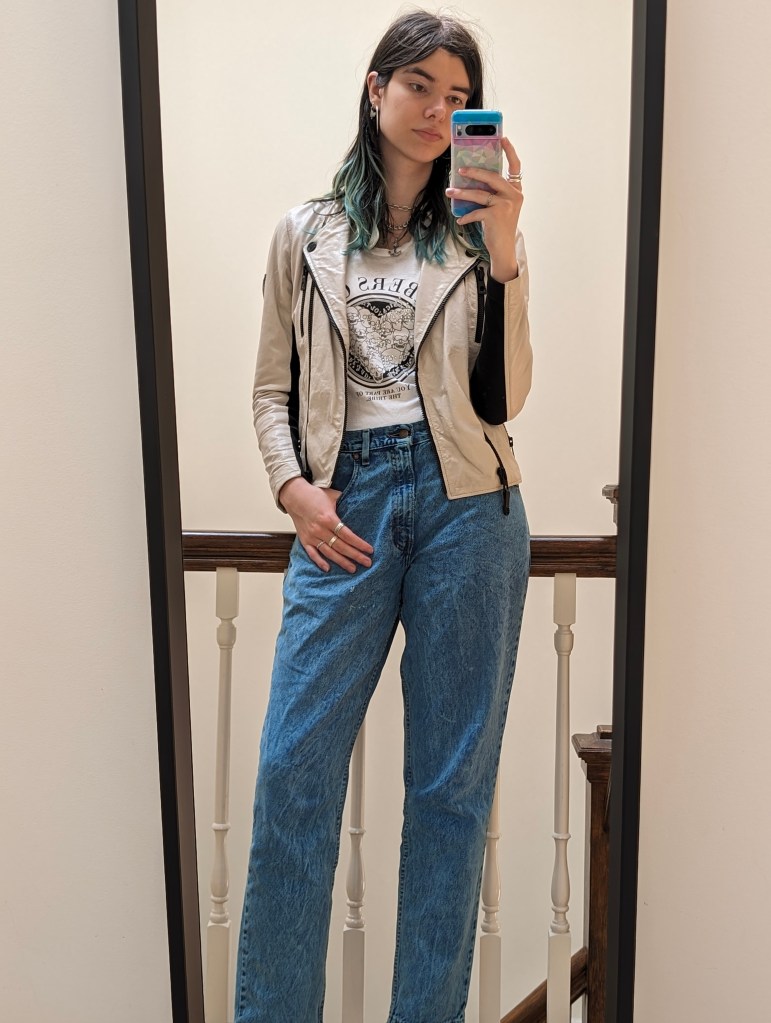
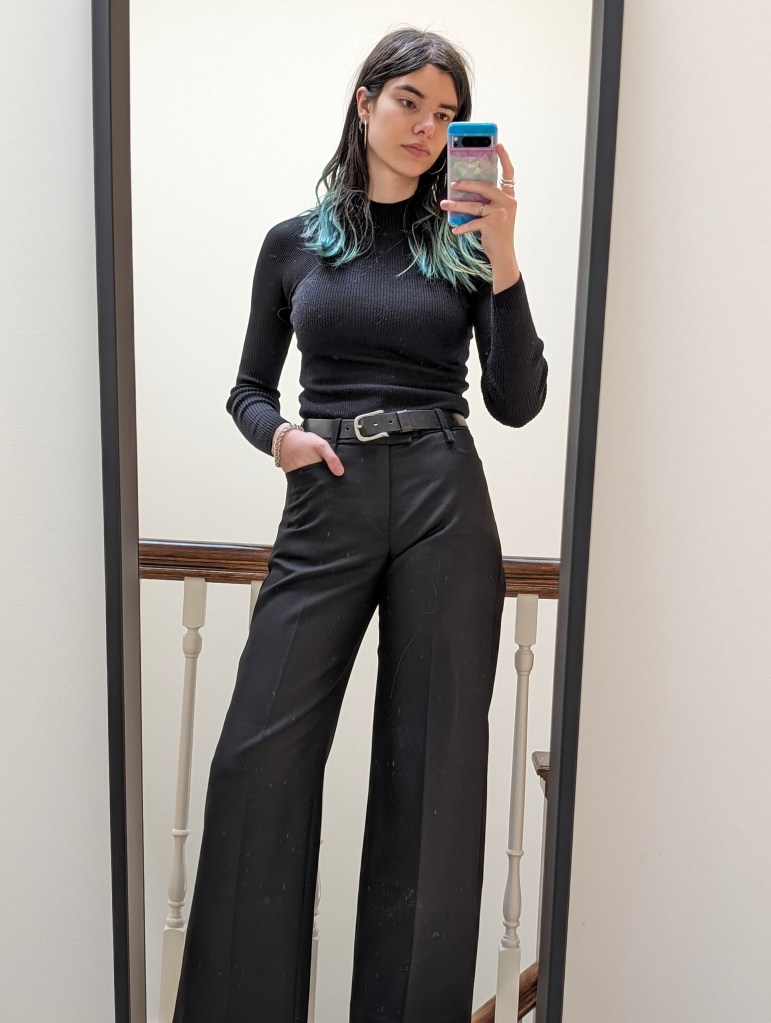
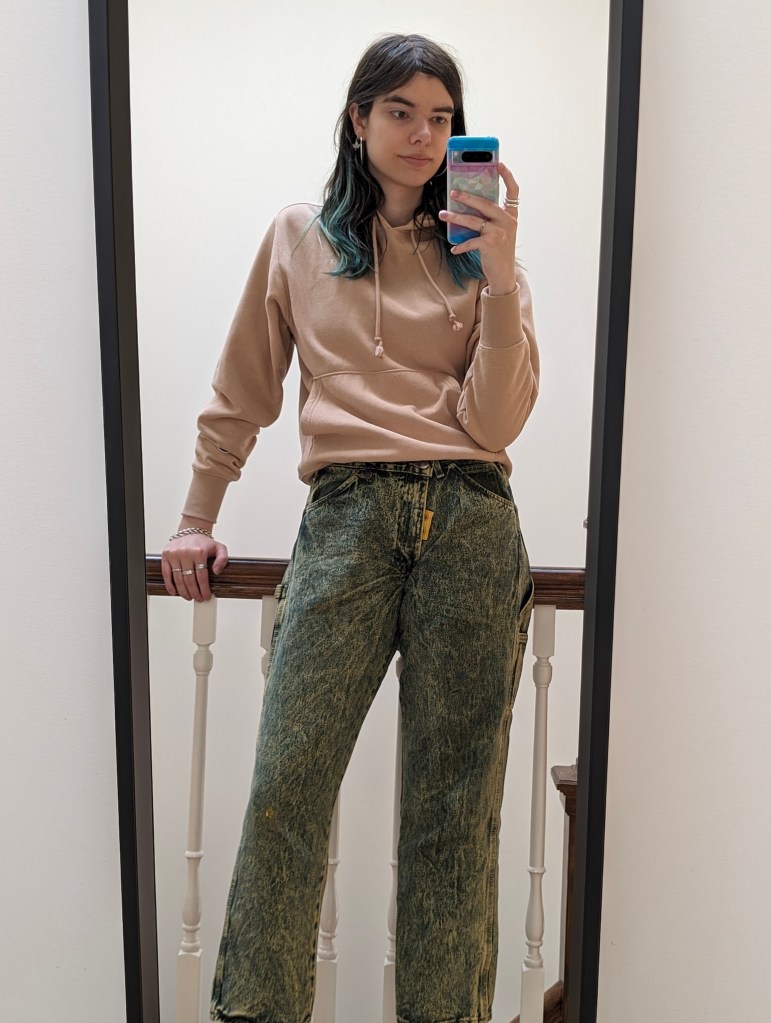
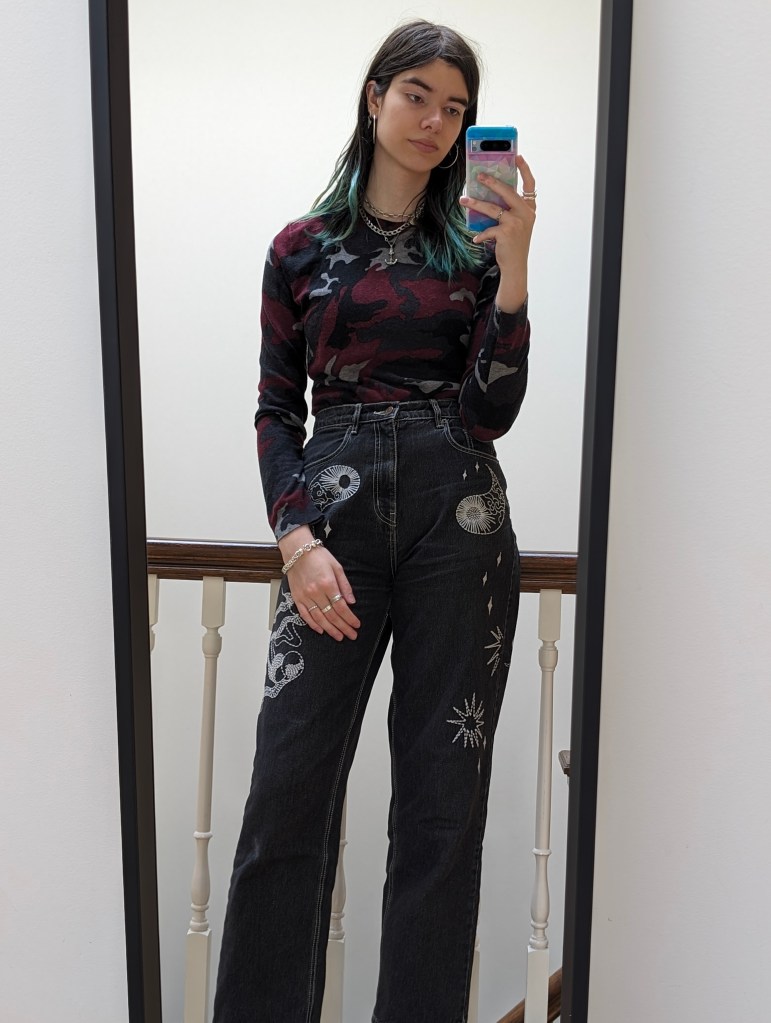
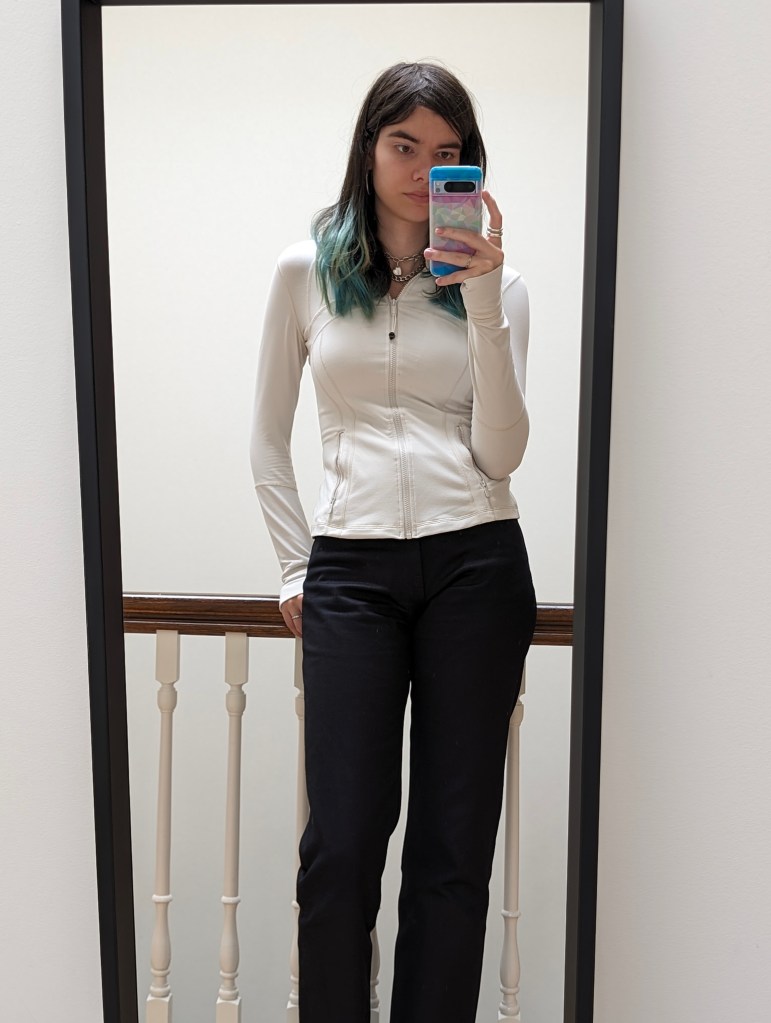
Fall is typically a shorter season where it gets quite cold on certain days. Make sure you’re bringing out the warmer things in your wardrobe, insulating fabrics like wool or thicker cotton hoodies as they should be well suited for this time of year. If it ends up being windy, add a light layer such as a leather jacket so you can stay warm. Synthetic fabrics should be easier to wear during this time of year since the cooler weather won’t cause you to sweat, just make sure you’re not overheating when inside!
Winter
- Cotton (layered)
- Acrylic (layered)
- Cashmere (layered)
- Cashmere (thicker)
- Wool (thicker)
- Wool (layered)
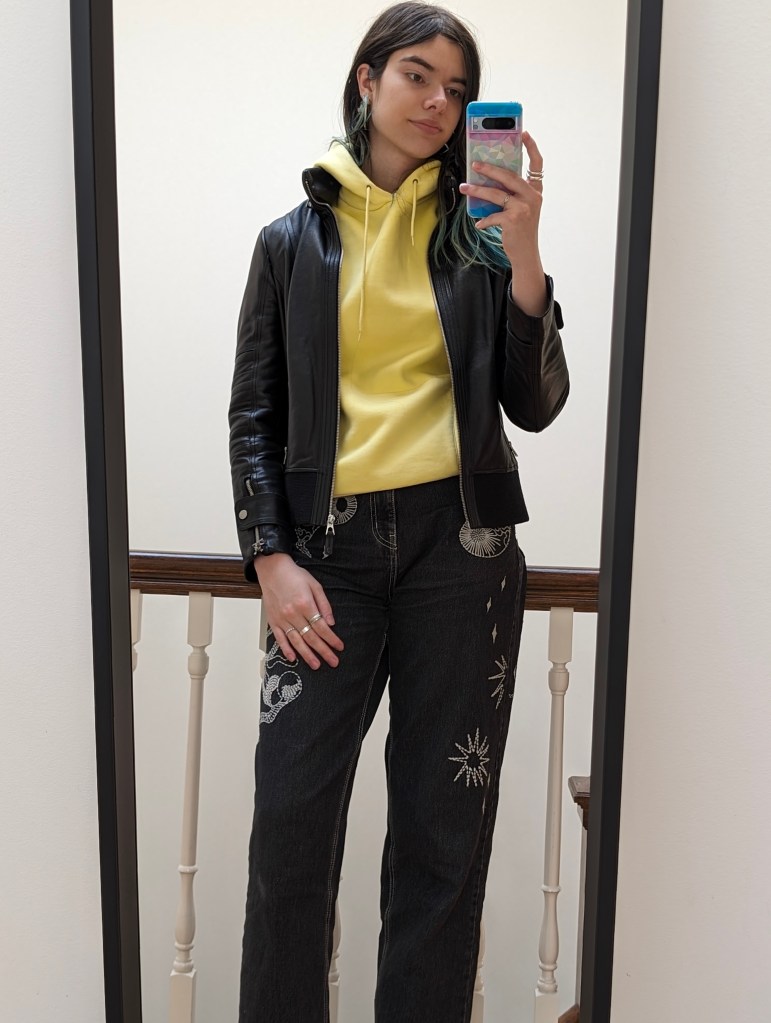
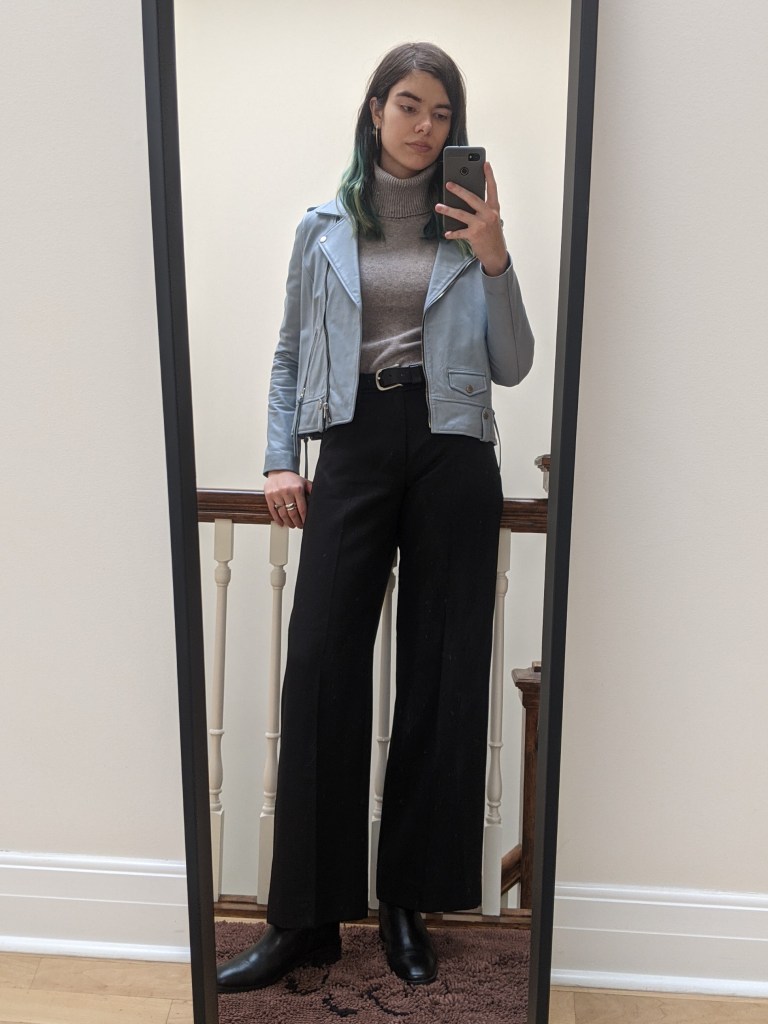
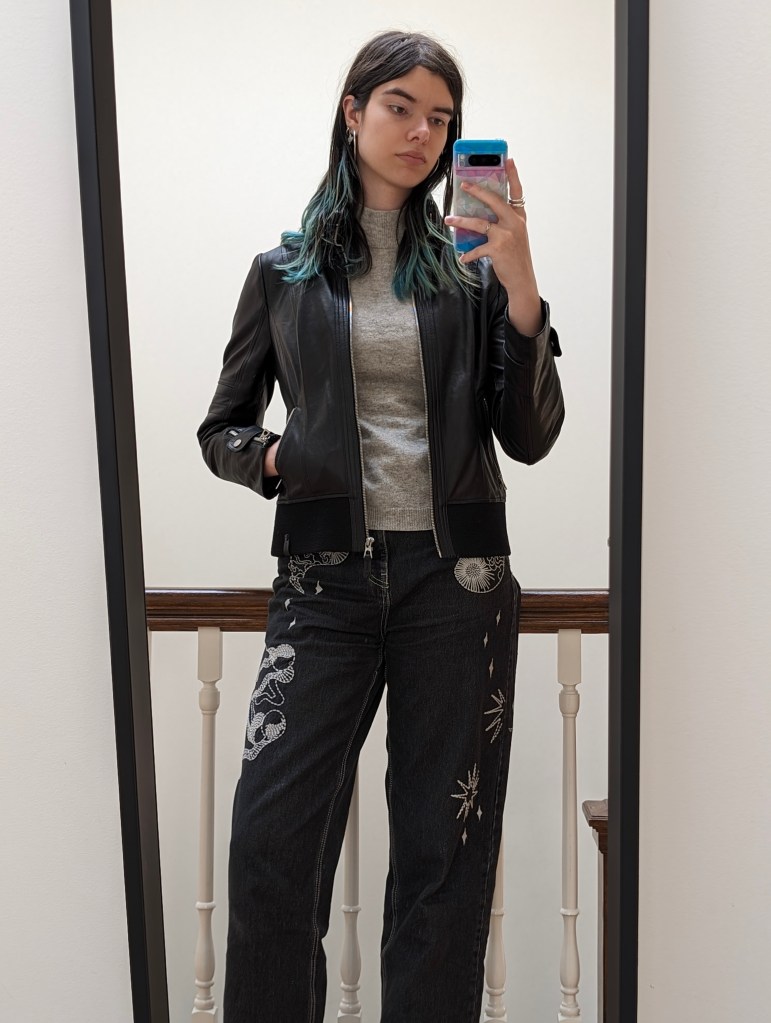
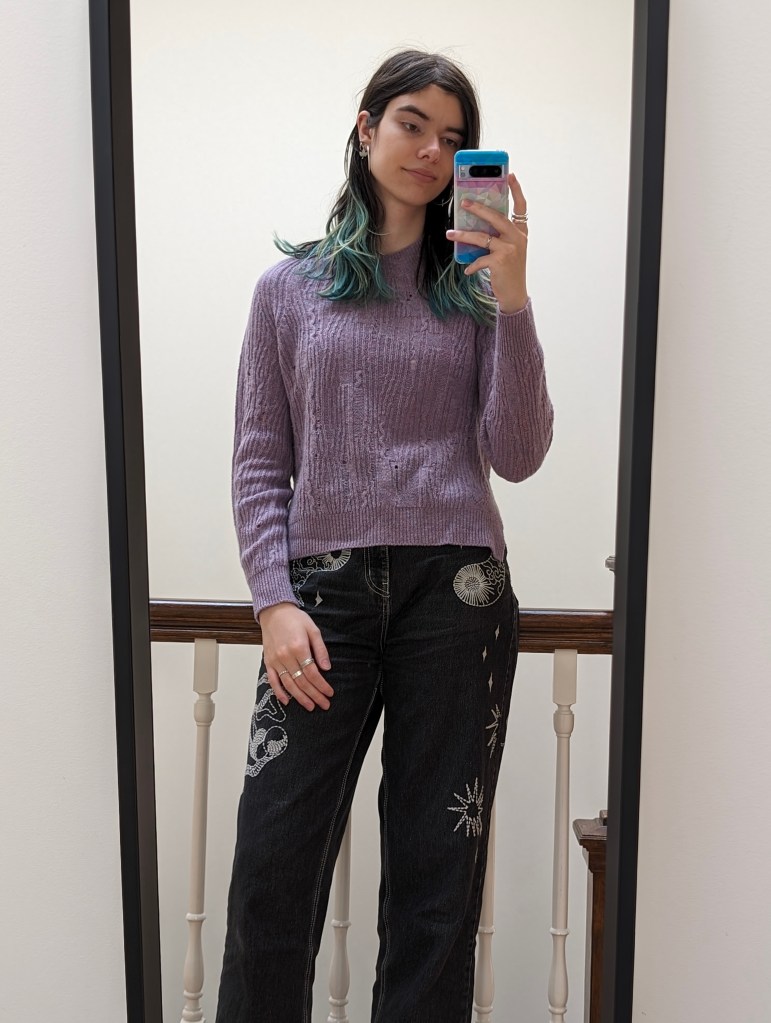
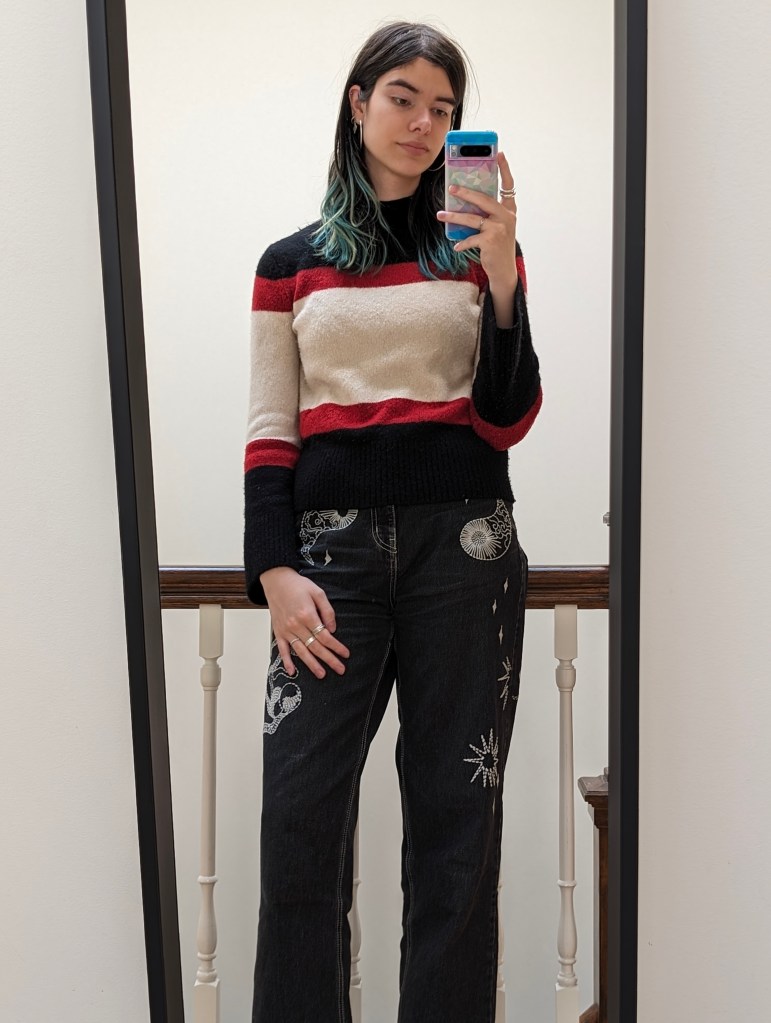

Winter is the coldest time of year, and often the hardest to manage. Don’t be afraid to wear multiple layers when outside, and take one off when inside if you find yourself too warm. There’s no reason to wear a winter jacket inside, it’s there for the weather not fashion! Keep to moisture wicking and insulating fabrics like wool and cashmere. These will ensure if you do overheat, you won’t end up a sweaty mess. Cotton also still works well, just make sure you have another layer in case it isn’t enough.
Understanding layering is key to feeling comfortable. Knowing what materials you find irritating or make you sweat is super important and generally speaking, the more synthetic fibers you have on, like polyester and nylon, the more you will sweat.
It’s very rare that I ever wear more than 2 layers. And when I do it’s usually because it’s very cold and windy, for example I wouldn’t only wear a cashmere sweater if it was super windy because it provides little protection against the wind. Always keep the most synthetic (impermeable) layer on the outside since even wearing a cotton t-shirt can be enough room for your skin to breathe.
Hopefully some of this helps! Remember that not all fabrics are created equally, even if they’re technically the same material, a cotton shirt will feel different compared to cotton jeans.
 Transfemme Style
Leave a comment