So College is an interesting place. For many it’s the first time someone is able to freely express themselves and find people like them away from home, and by the end of it you’re looking to get into the professional workspace (probably). This means your style can rapidly change from one year to the next as you try and fit in with the crowd you aspire to be among one day.
I for example was in a somewhat laid back but still old fashioned-ish field where I’m expected to act and look a certain way because it’s intertwined with the government. My style changed every year (mainly due to getting surgery that allowed me to wear different things) It went like this each year.
- Hoodies and jeans or leggings
- Tops with lots of cleavage and form fitting jackets
- Business casual
- Girlboss slay era

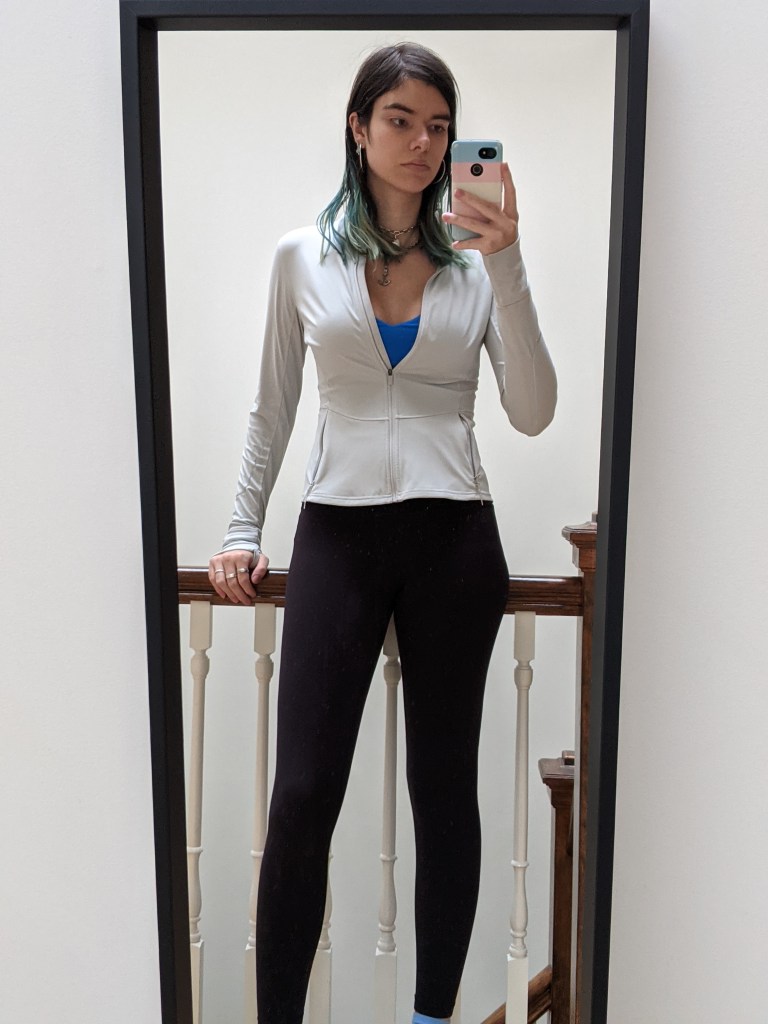

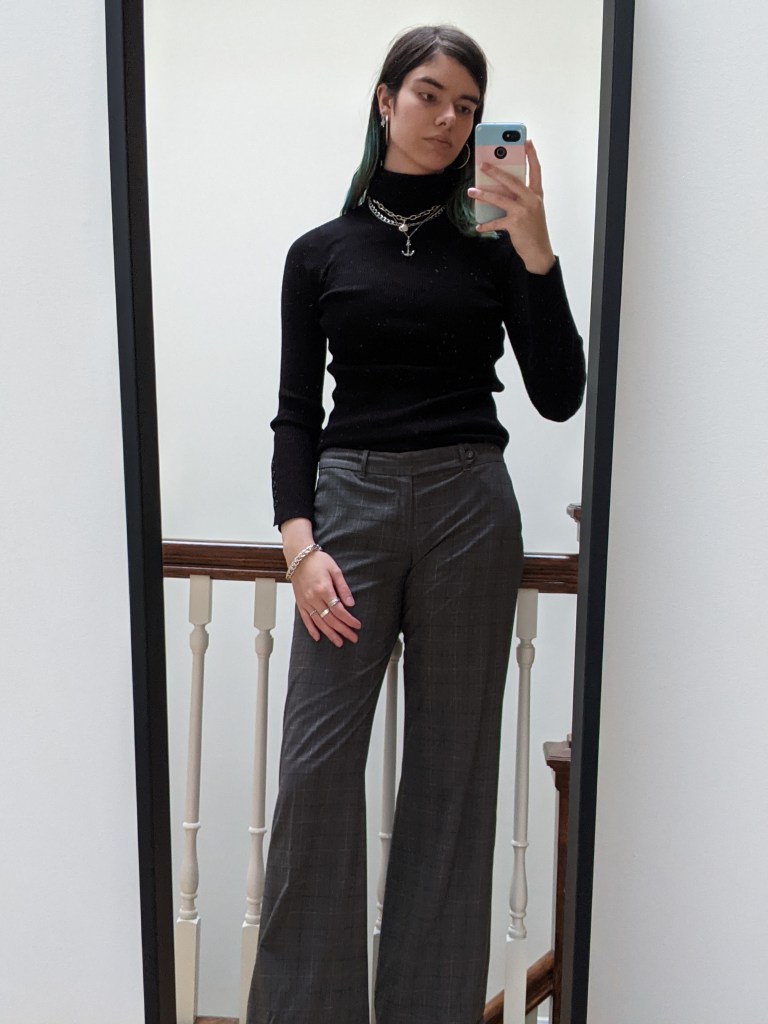
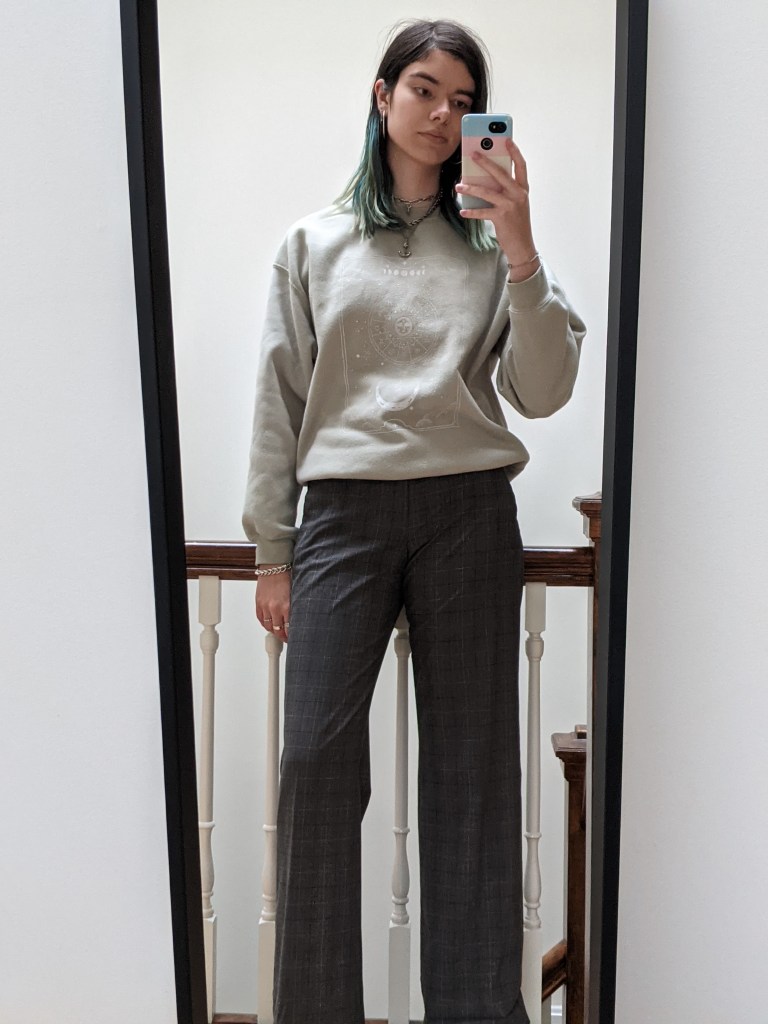
Ideally you should progress your style towards becoming more professional looking in your field as you won’t nail it from day 1 if you graduate and have never tried dressing to fit in a bit. The exception to the rules is a university logo sweater, people wear those all the time even if they are basic.
Now if you’re enrolled in a program like medicine or law you will have a lot less leniency in an unspoken dress code. It might even vary more if you attend an ivy league as there tend to be people with sticks up their ass a bit more than usual.
Almost every professor I’ve met generally hasn’t cared at all how you dress so you can always feel free to dress to your slutty heart’s content if you desire, but when making first impressions you might want to have your wits about you, rather than your tits about you.
If you’re doing a course with any kind of lab or field work you’ll want to look the part as well because discrimination wooooo. I’ll try to cover basics that can apply to any field here but obviously if you’re in a chemical lab or something please use PPE, looking slay shouldn’t be your top priority in this case.
When you should be looking slay is during your elective courses, which are the courses not a part of your main program. This is because you can use them for networking outside of your field and you can be your true self without having to worry too much about how it can reflect on your career prospects. Same thing goes for extra-curricular activities if you have any, such as a debate club.
So how do you build a wardrobe for college?
The main focus is on core versatile pieces. Nothing too revealing, nothing too loud. You should be able to wear most of your wardrobe in an office setting after you graduate. Black and white are essential colors, if you don’t have both black and white for tops and pants you will struggle a lot more.
The exception to that is shoes because they can be pretty uncomfortable and I’ve found absolutely no one to care about shoes for normal classes.
- Tops
- Most tops do not need to be fancy in any sense. Button up shirts with prints or blouses can be a great way of getting started if they fit you well because they’re not that expensive and are very safe. Blouses can vary a lot but as long as they aren’t terribly revealing basically anything goes. The main importance with tops is they fit the same vibe as your bottoms.
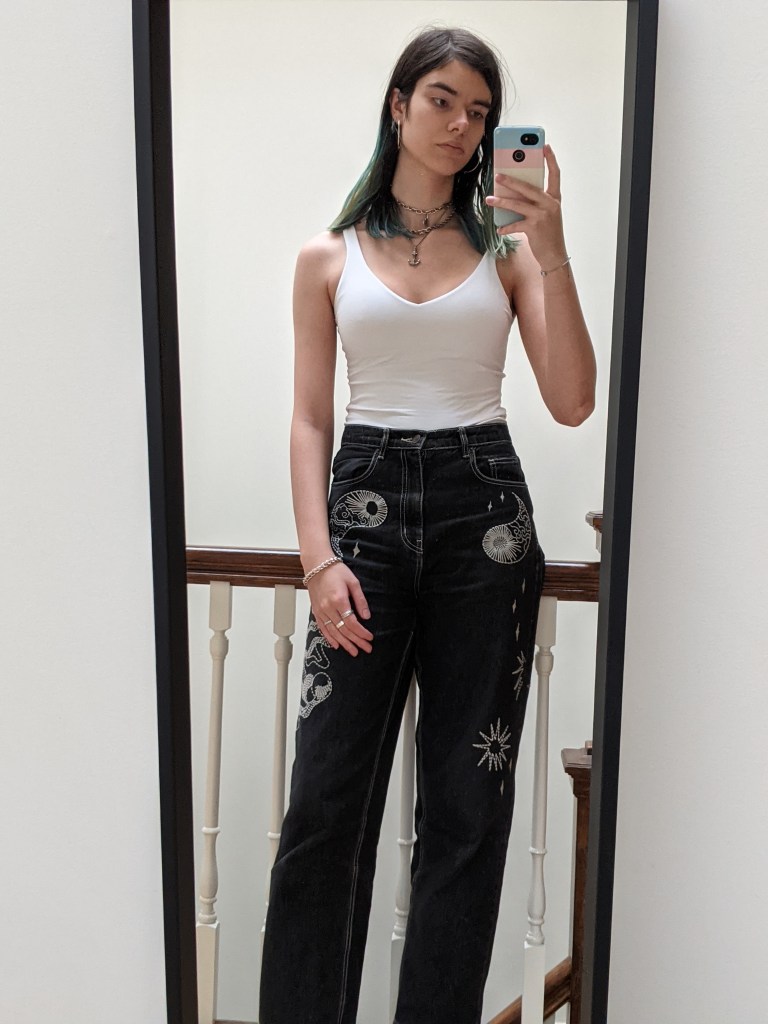
- T shirts are fine for everyday as long as they aren’t graphic tees. Just make sure they have a feminine enough cut. Sleeveless tees are going to be better.
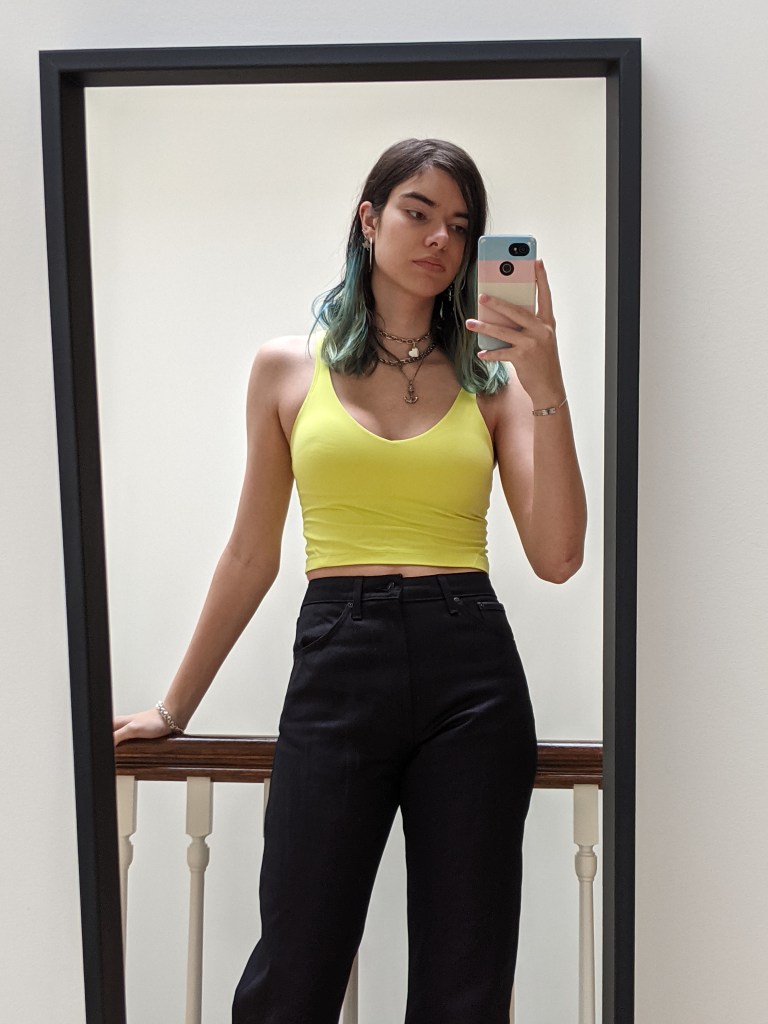
- Cropped tops are fine in most scenarios if you are also able to cover up with a jacket of some kind. Having that be the only thing on your torso can look immature depending on where you are.

- Jackets
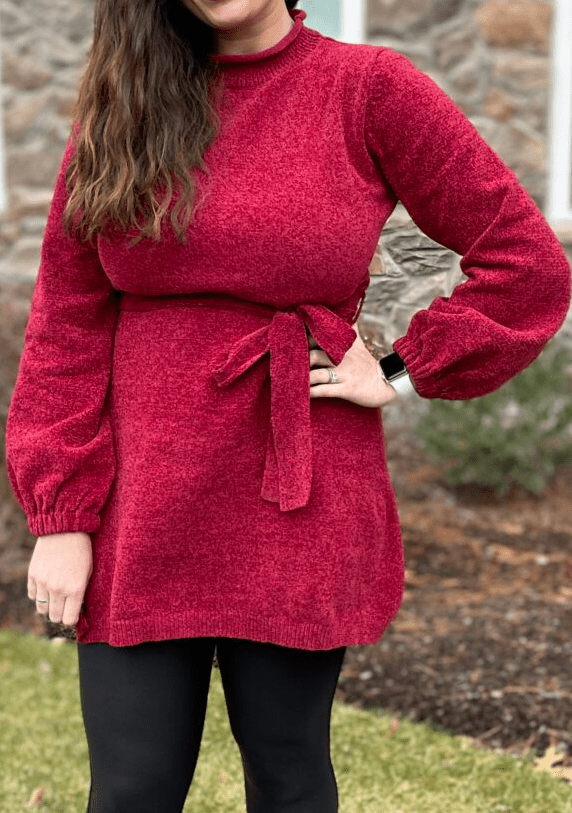
- Avoid hoodies if you can and opt for sweaters. Cable knit sweaters are always incredibly safe and look sophisticated enough to be used at any level, so they’re fun enough for parties while still being good for a law student.
- Sporty looking jackets or puffer jackets are fine but you should take them off when you’re inside.
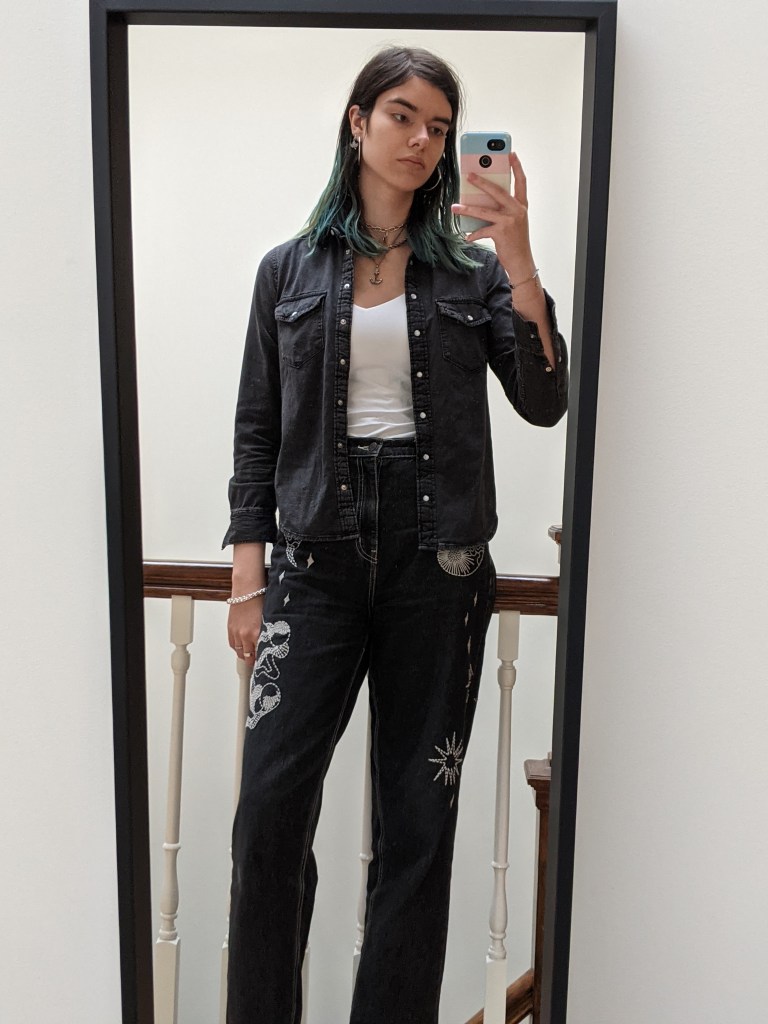
- Denim jackets are better saved for more casual scenarios and not to be overdone with pins or patches if you plan on wearing them often. No ripped denim if you can avoid it as well.
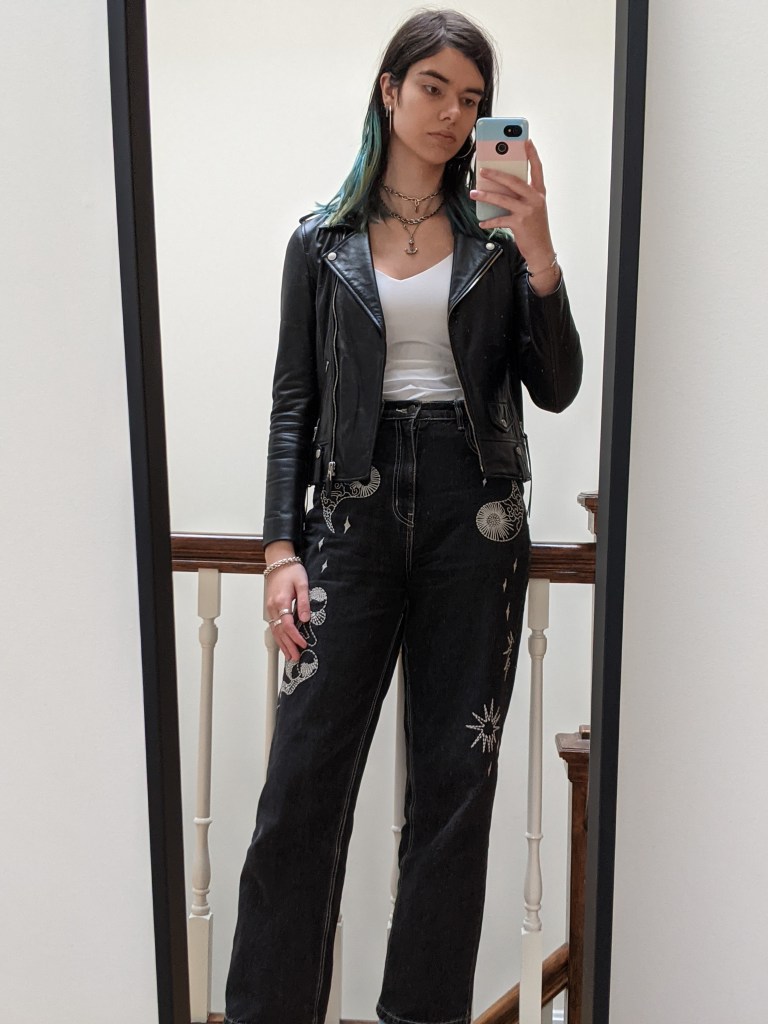
- Leather jackets are another solid choice that go with a lot and work at every level of study. Just ensure they fit you nicely (so not oversized) and don’t look like something designed to prevent you from dying after falling off a motorcycle.
- In your later years, try to stick with coats instead of a jacket as they look more professional.

- Bottoms
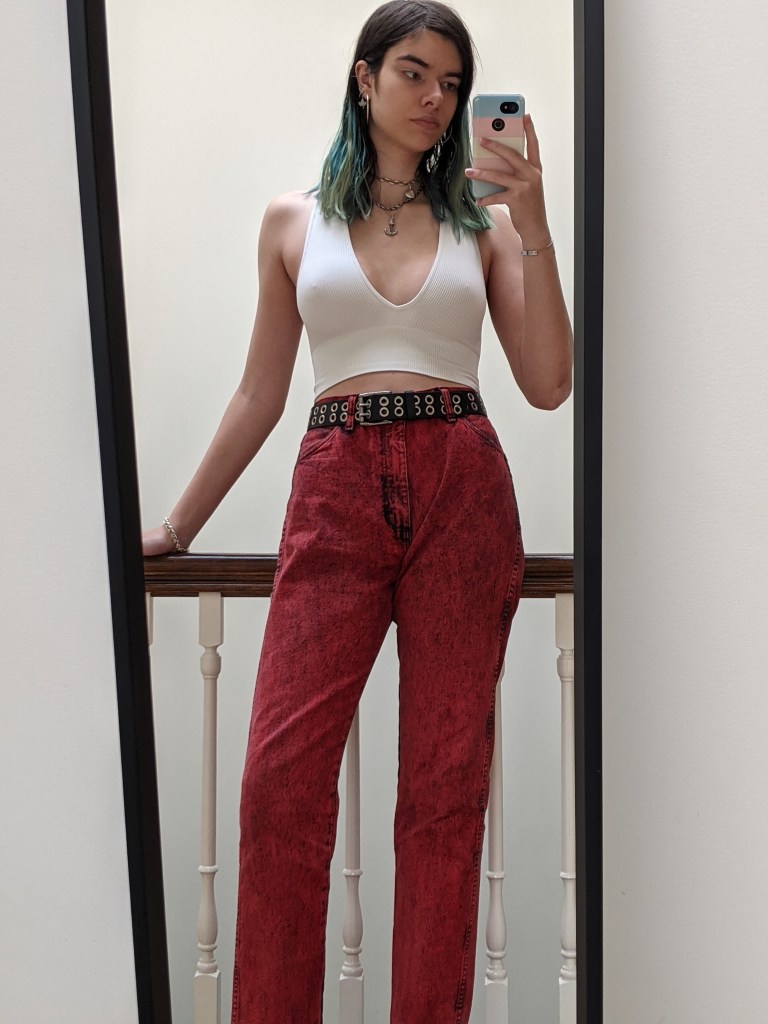
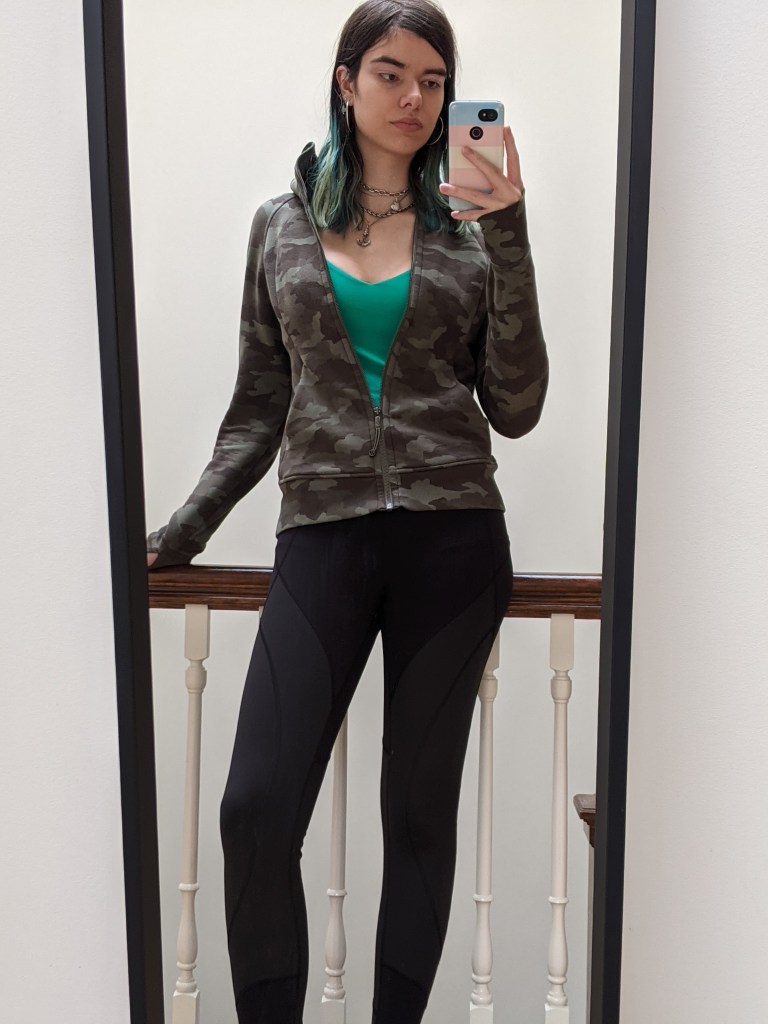
- Pants are going to be much more versatile because of how you can wear them year round and do not have connotations from their length and cut. Colors do not matter for pants at all so be as bright and vibrant as you want, neither do most patterns like plaid. But in general try to avoid prints, ie: leopard print or camouflage since they’re difficult to pull off without looking tacky.
- Avoid sweatpants. Leggings can be fine just make sure you are comfortable with tucking while sitting down and that your tuck doesn’t become undone when you stand up. If you are going to wear leggings, having a cardigan long enough to cover up your butt and front is helpful.
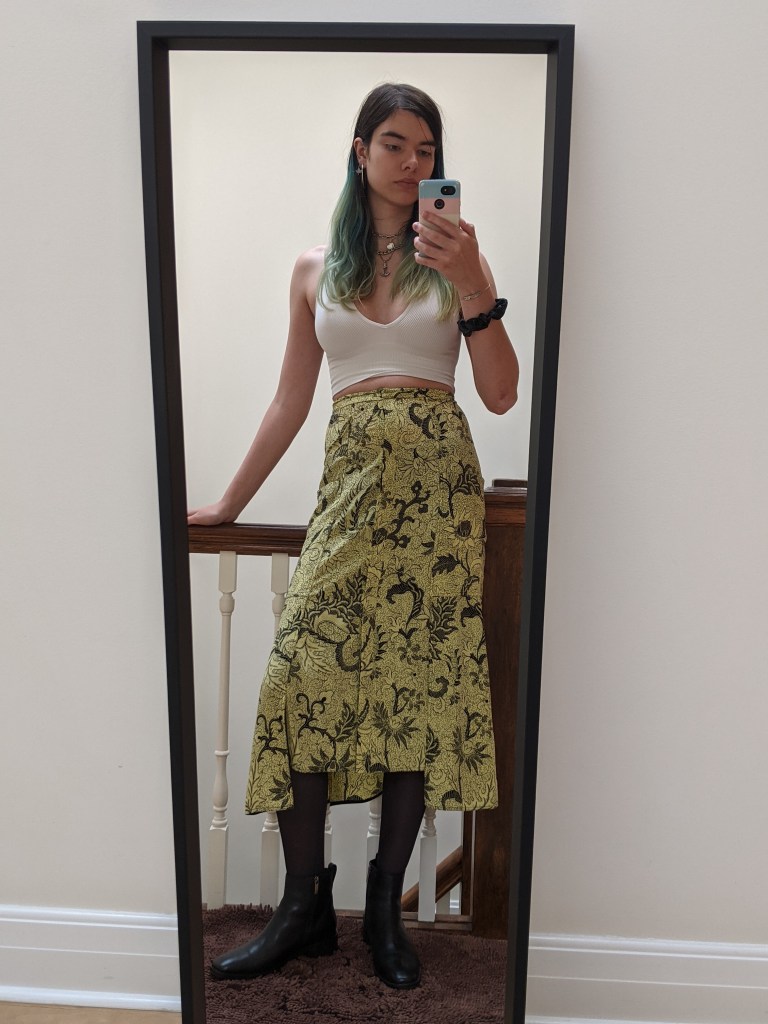
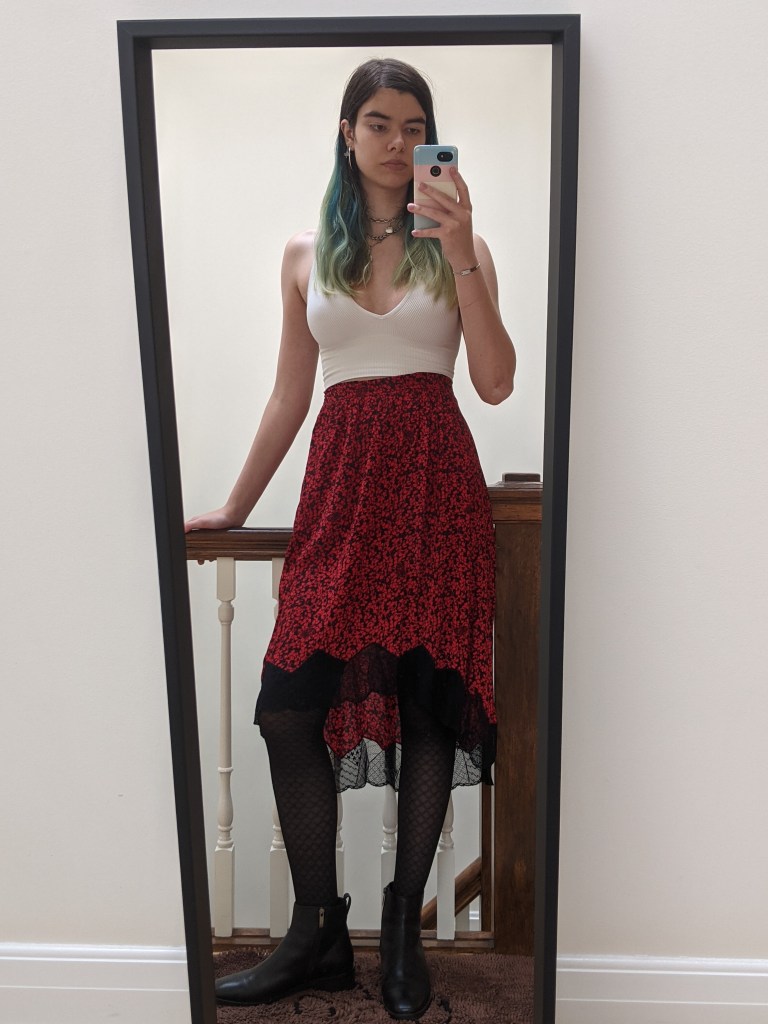
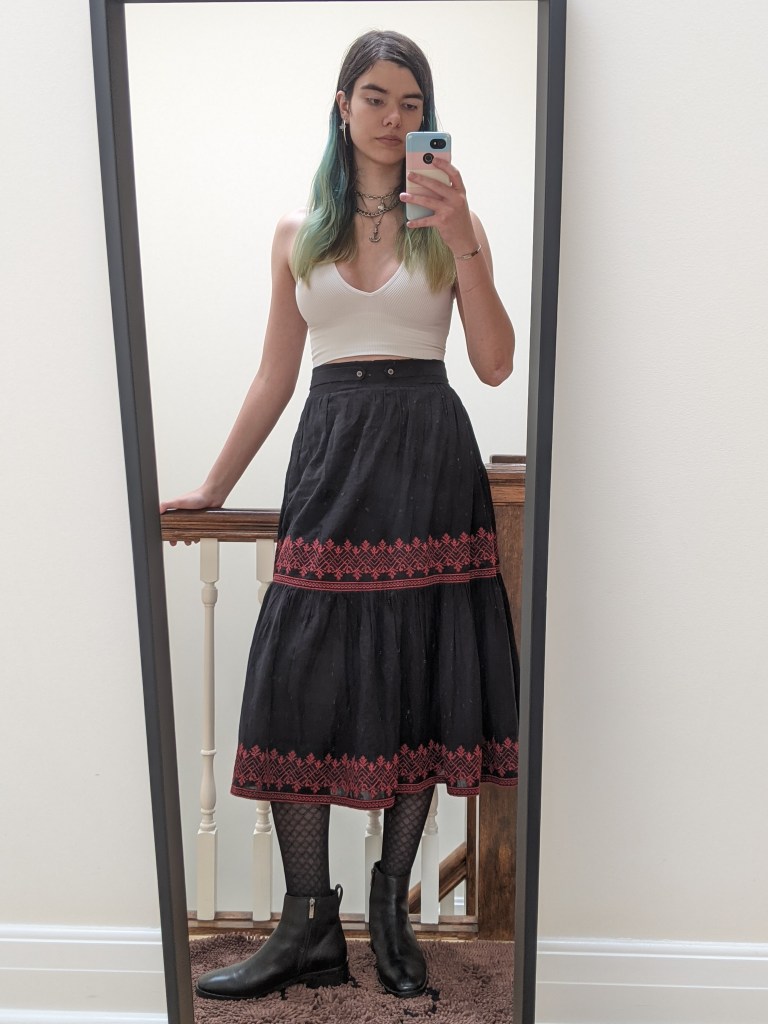
- Skirts vary far more in appropriateness so it’s ok to avoid them. If you don’t want to, my advice is to remain conservative with AT LEAST knee length and nothing tight. Prints for skirts are much better than solid colors as they look more sophisticated when you wear them with a nice blouse. Avoid wearing button up shirts and skirts together. Shirts work better with pants and blouses work better with skirts.
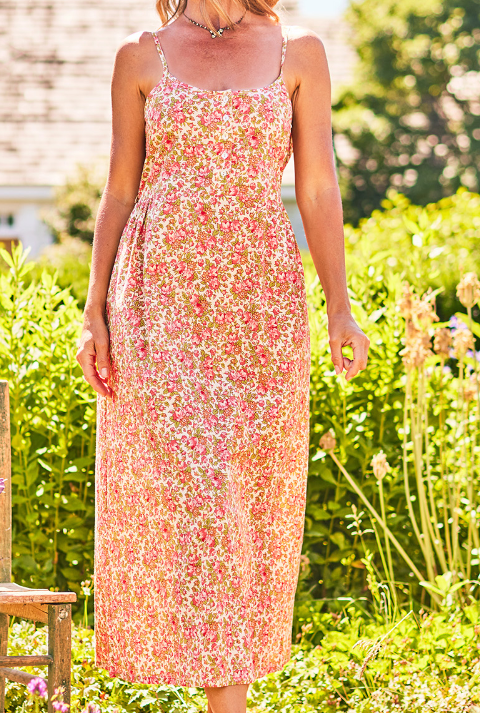
- Dresses
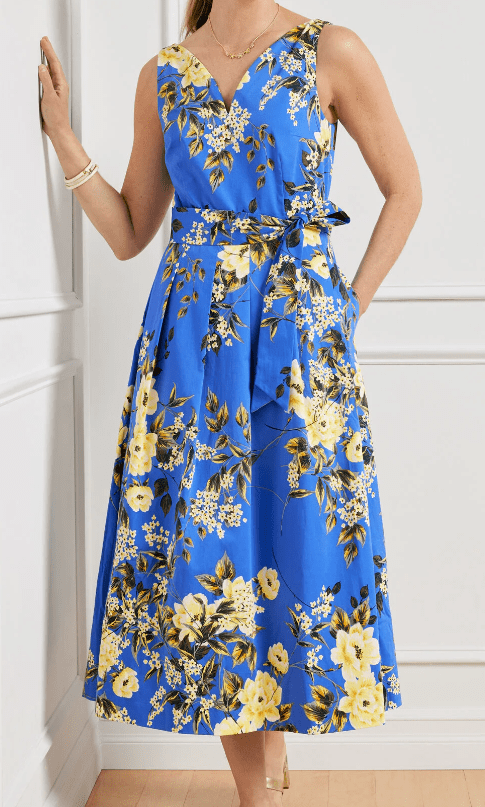
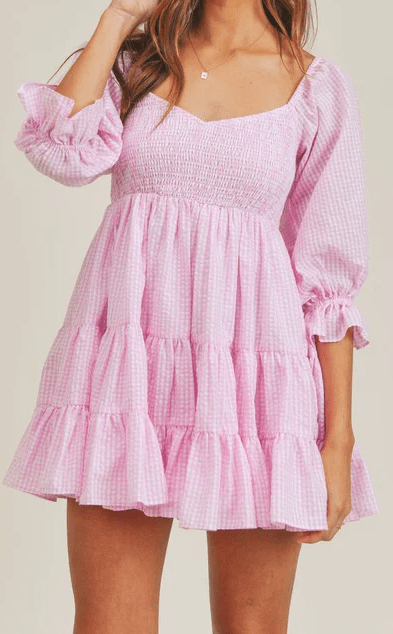
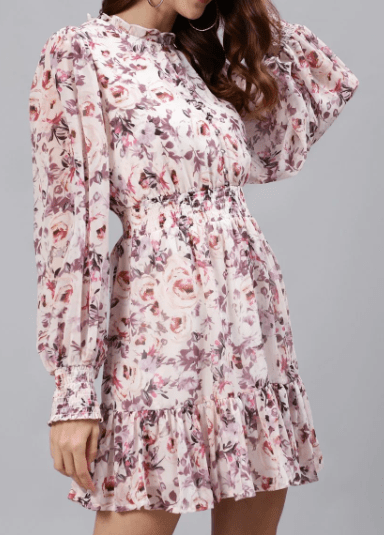
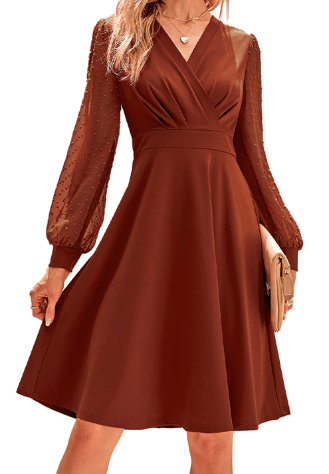
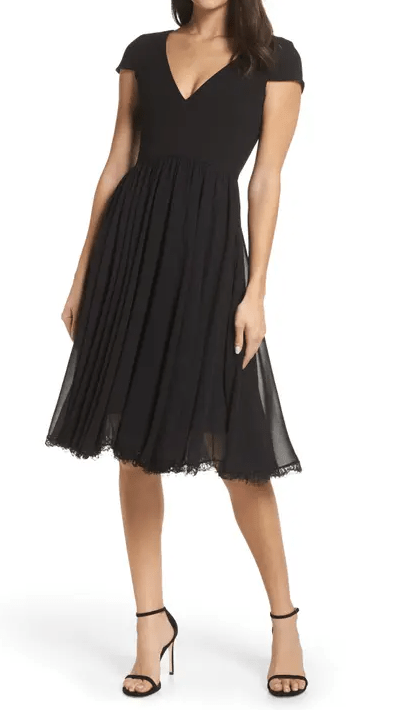
- The same kind of advice applies as with skirts. Nothing too short, nothing overly revealing and tight. No restrictions on color or prints.
- Avoid cheap looking dresses because they are your entire outfit. You should be paying what a top + bottoms would cost on any dresses you own in general.

- Shoes
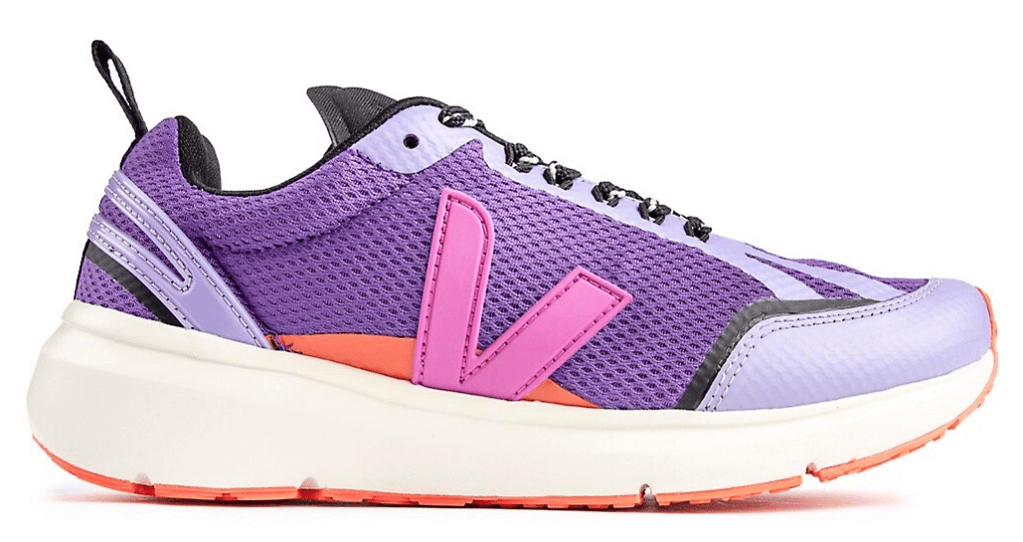
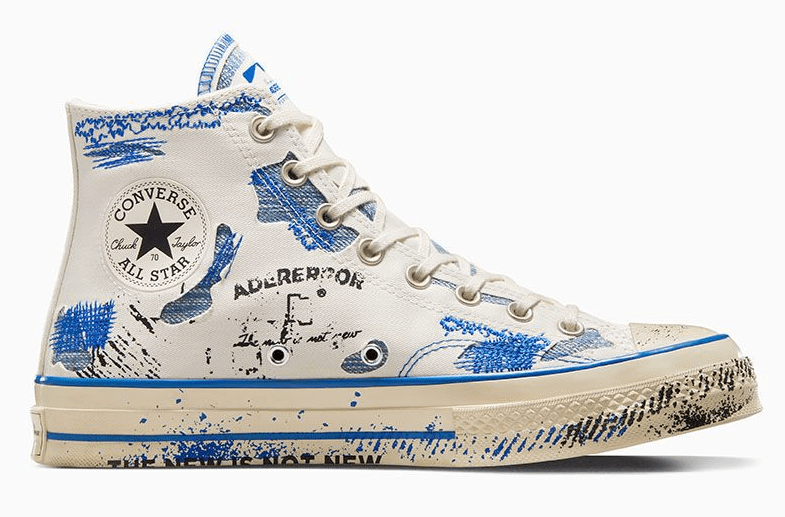
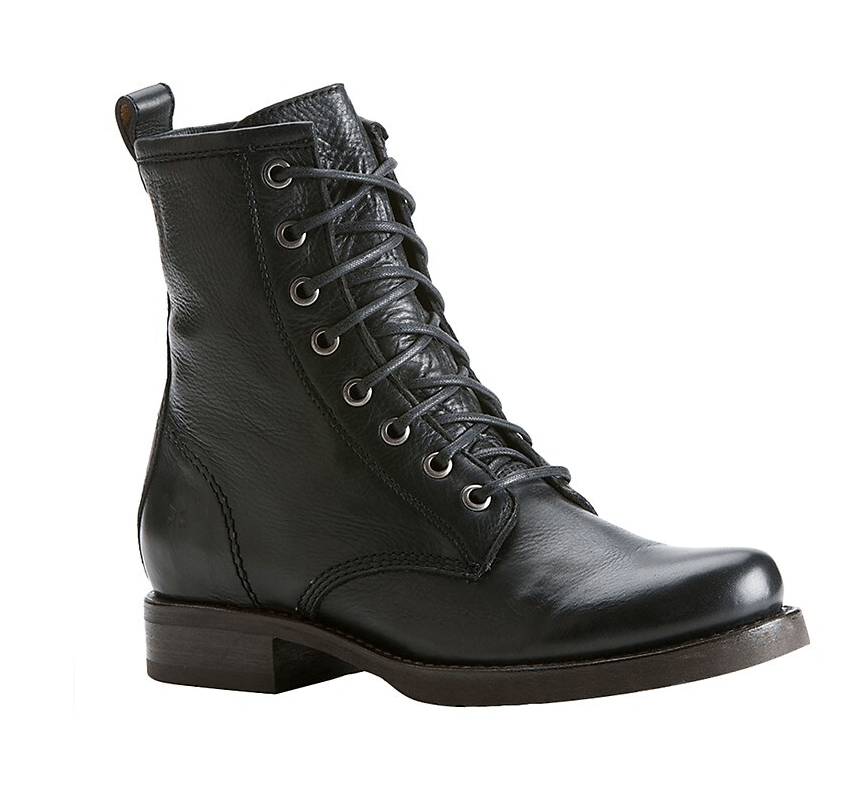
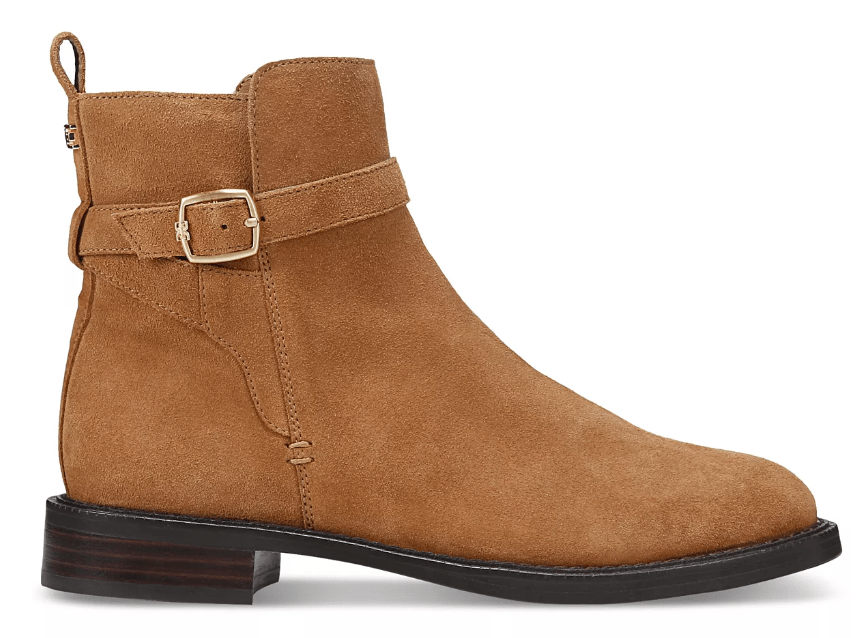
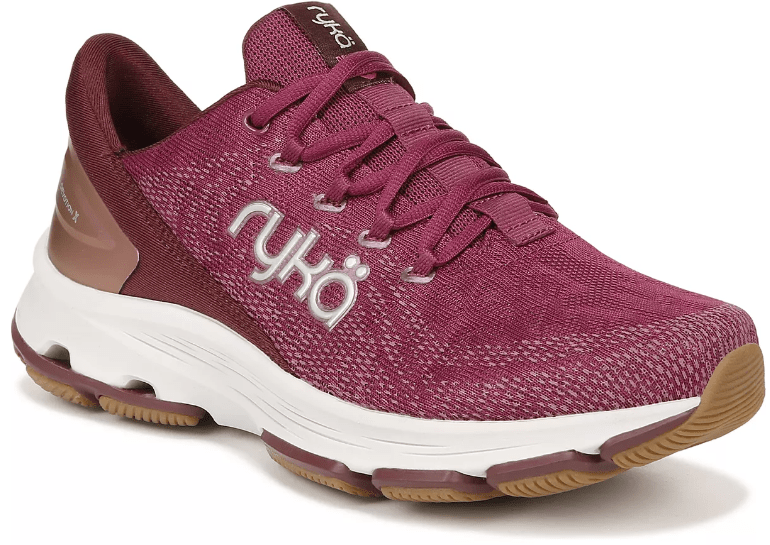
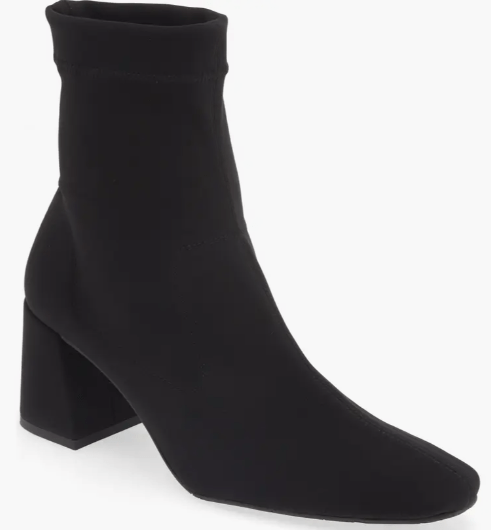
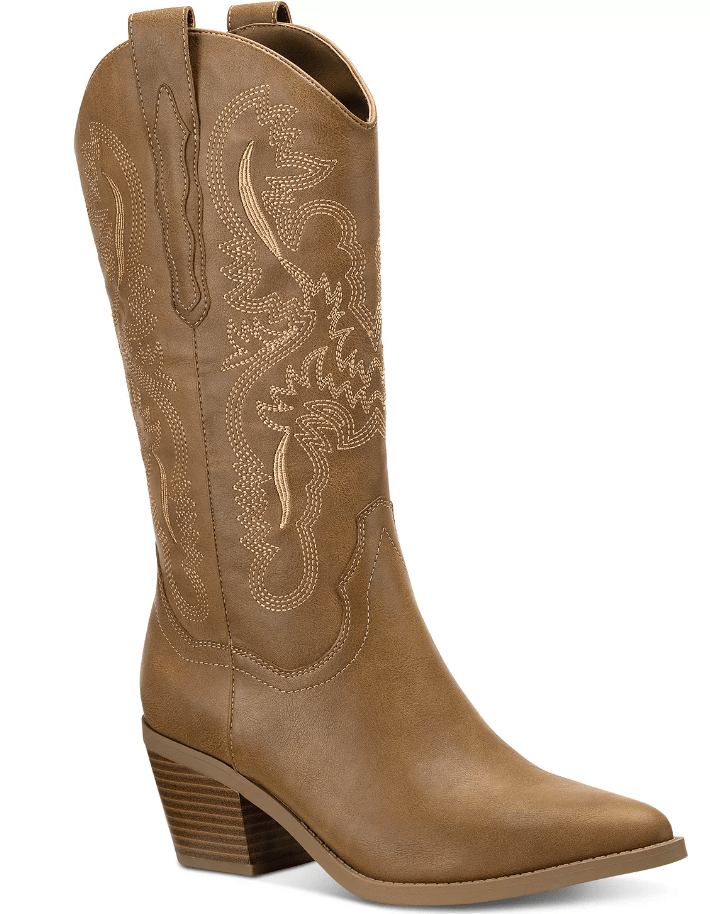
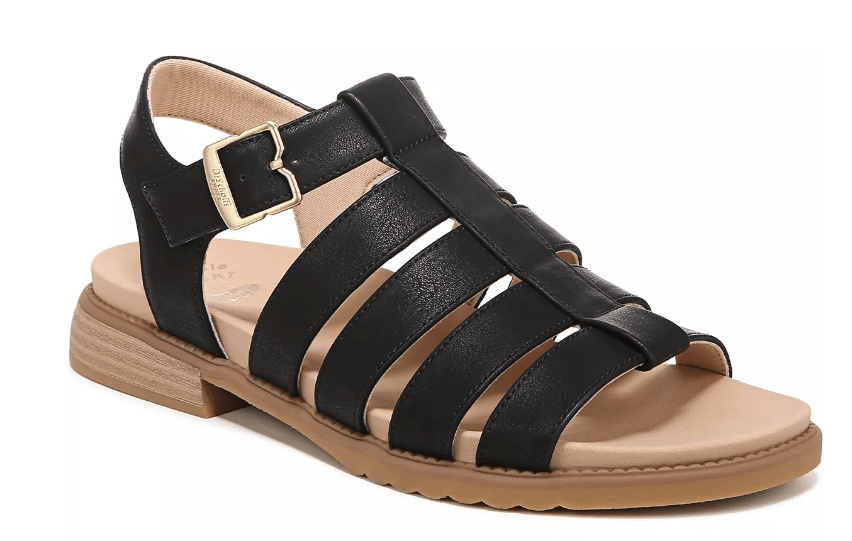
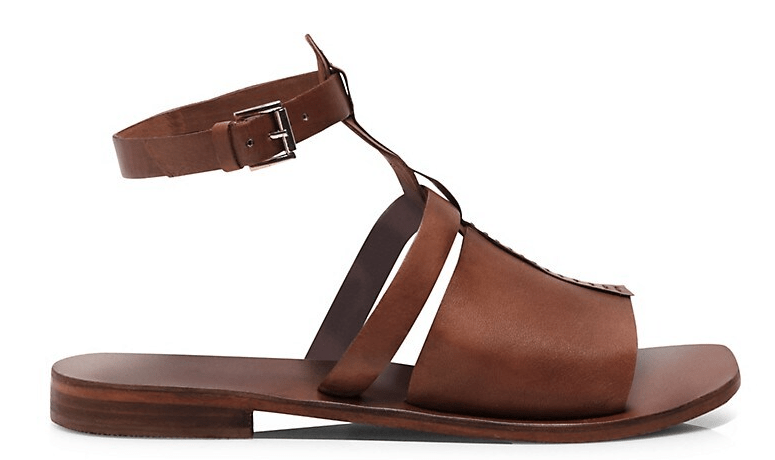
- Nearly anything goes as long as you aren’t in a snobby program like law, medicine or business. If that’s the case just opt for boots. Black leather ankle boots work in nearly any situation, white or brown can substitute if they pair better with what you’re wearing.

- Accessories
- Modest jewelry only so nothing flashy with gemstones or fancy watches. It can be playful with costume jewelry but keeping things metal rather than leather chokers is ideal. I’d avoid watches altogether and opt for bangle bracelets.
- Bags
- As a general piece of advice, don’t use tote bags unless you drive because they can be a pain in the ass with a laptop + textbooks.
- Unbranded bags are better in that no one will judge you for it.
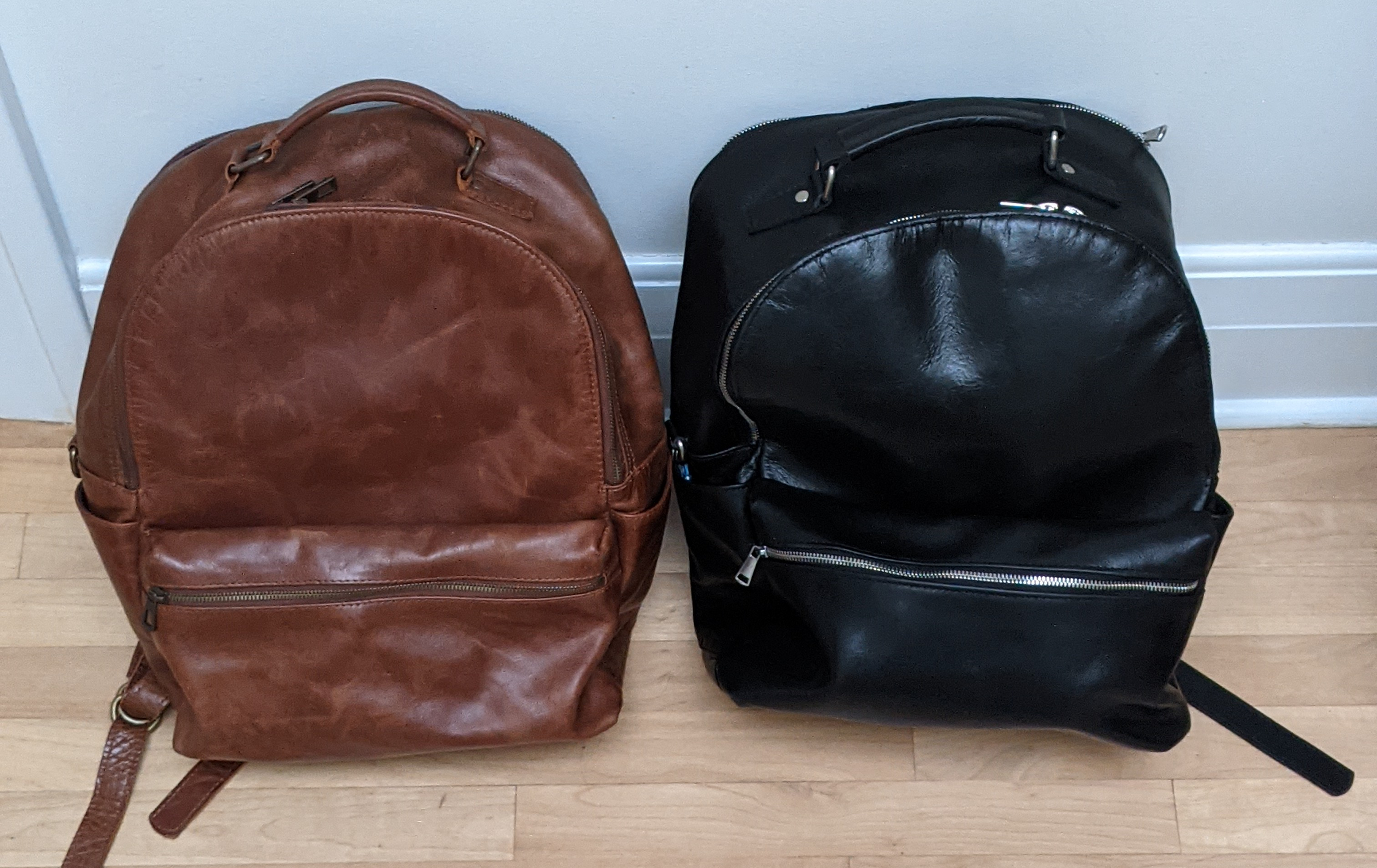
- Backpacks are still good, there’s no reason to switch to a purse or handbag unless you’re trying to look cool or simply don’t have a lot of things to carry.
In general here is what all of this culminates as.
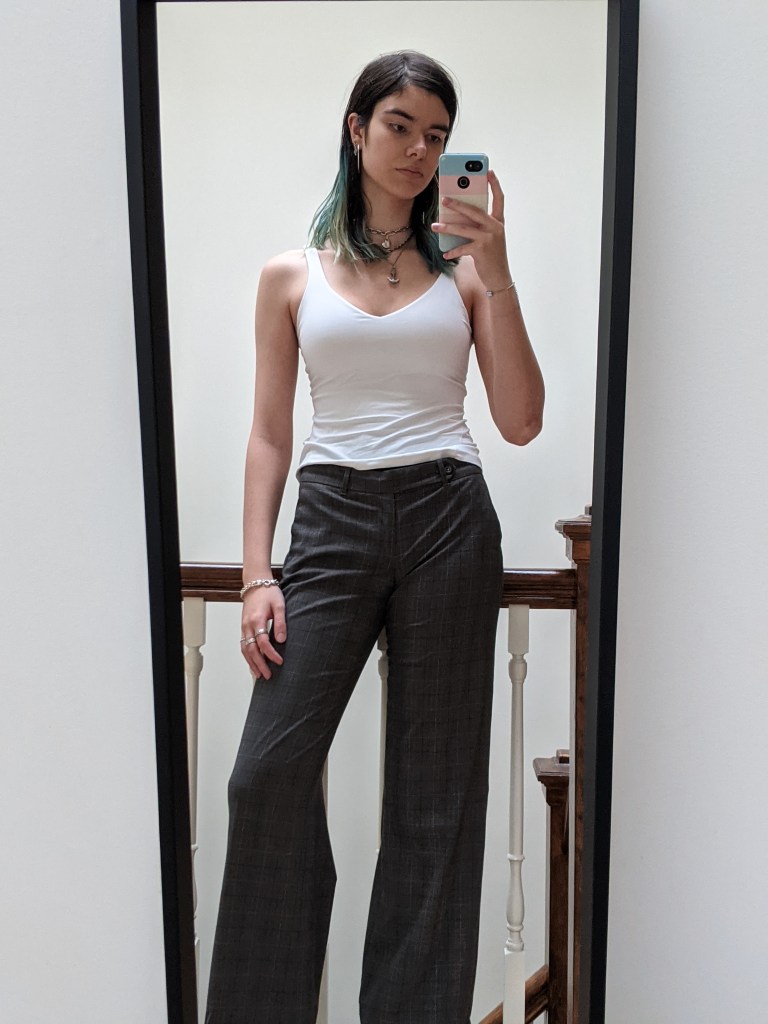
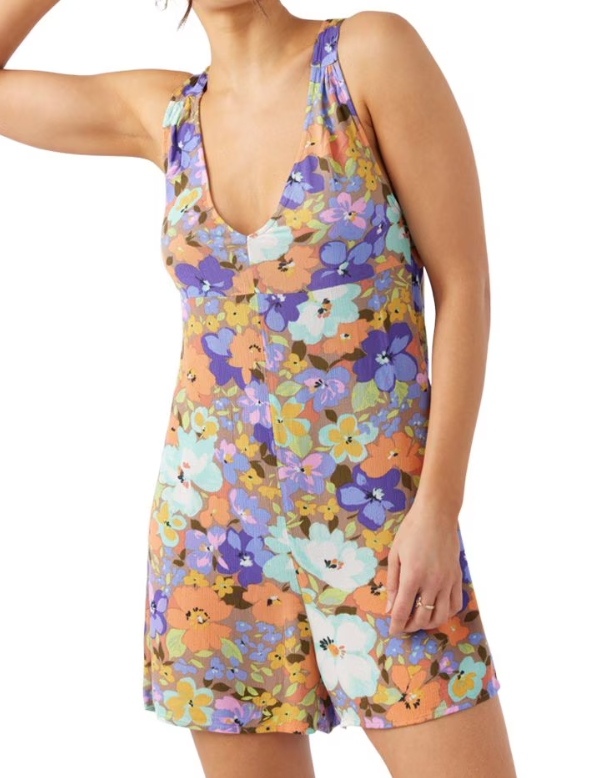
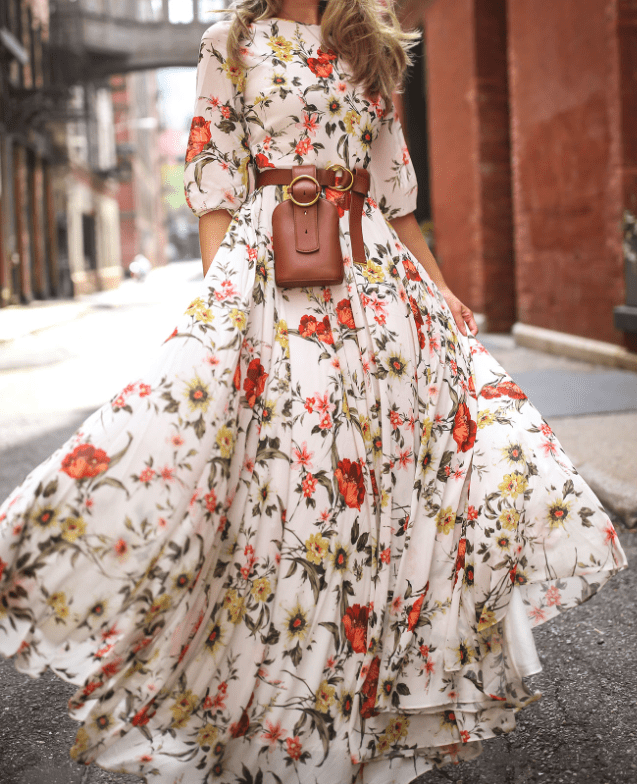
This is what overdoing it looks like, both in terms of fanciness and flashiness. The last example is something you could wear going out but don’t wear it to class.
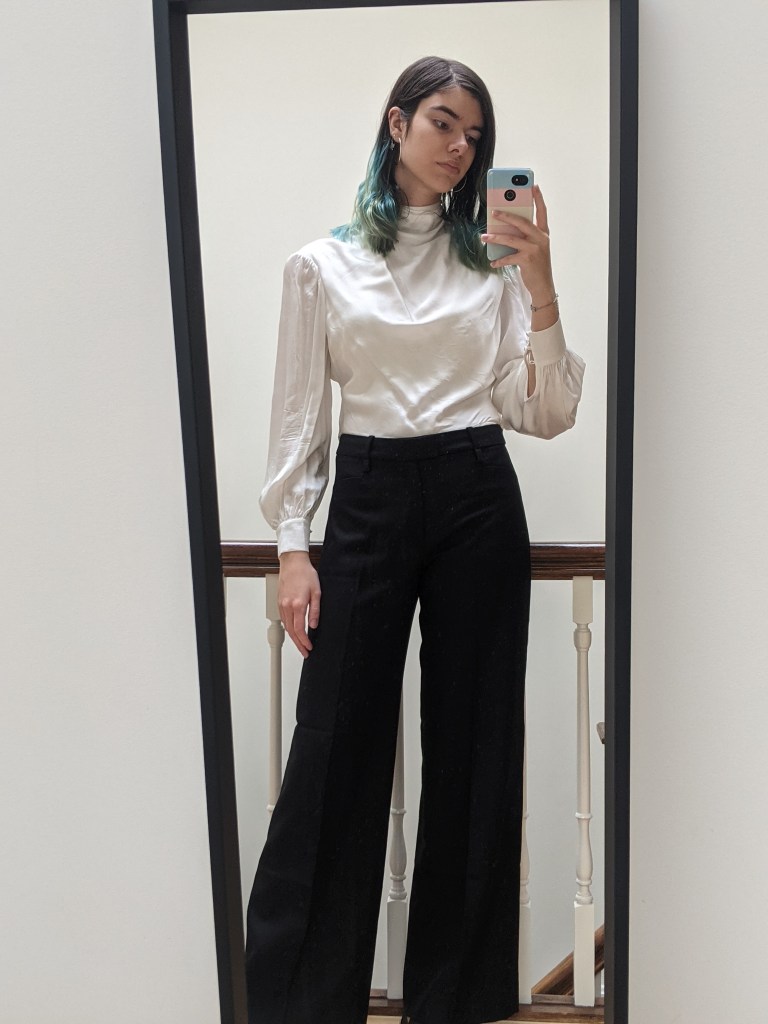
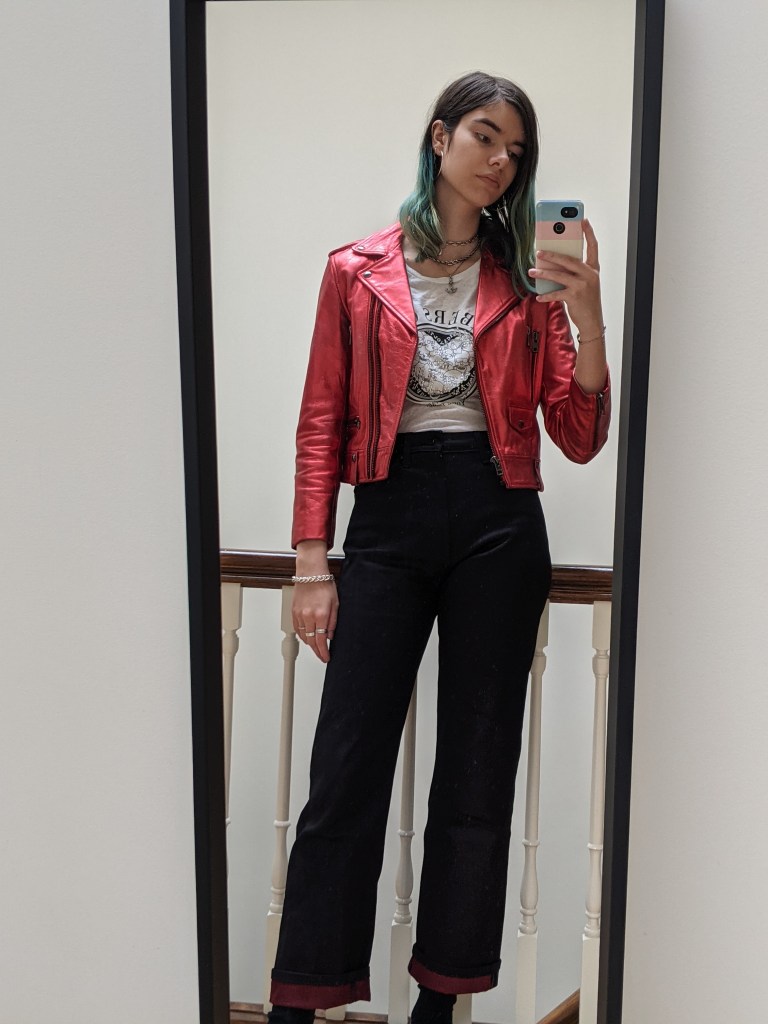
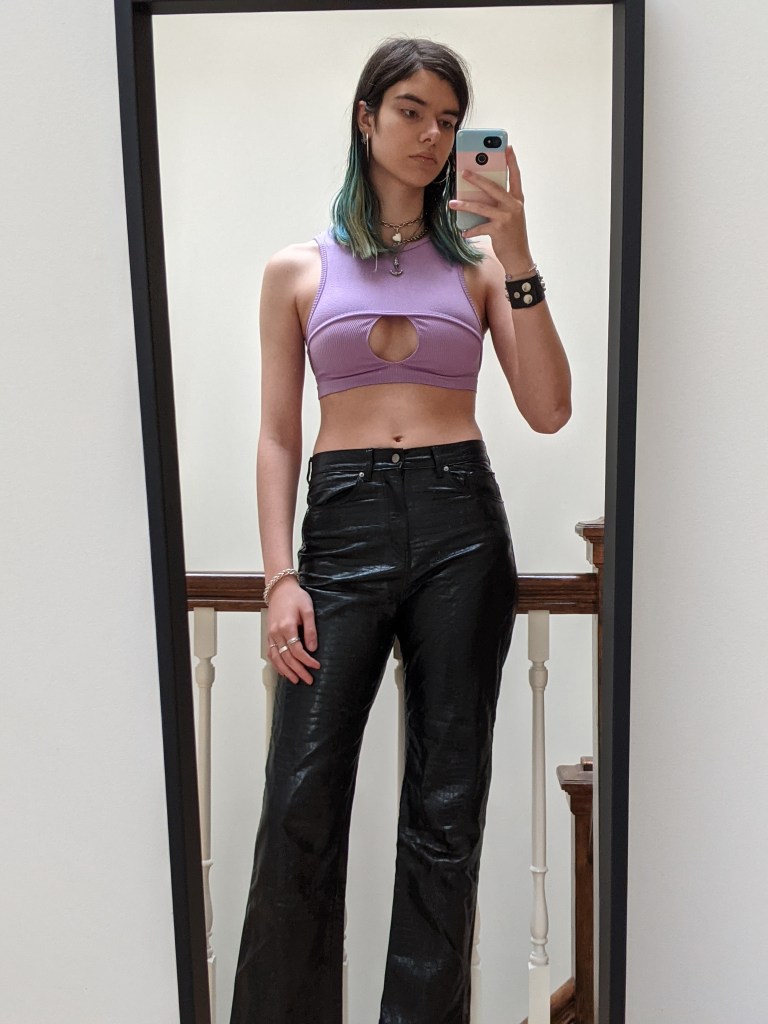
Dressing for fun events can be whatever you want, no restrictions. Outfits below are more than acceptable.

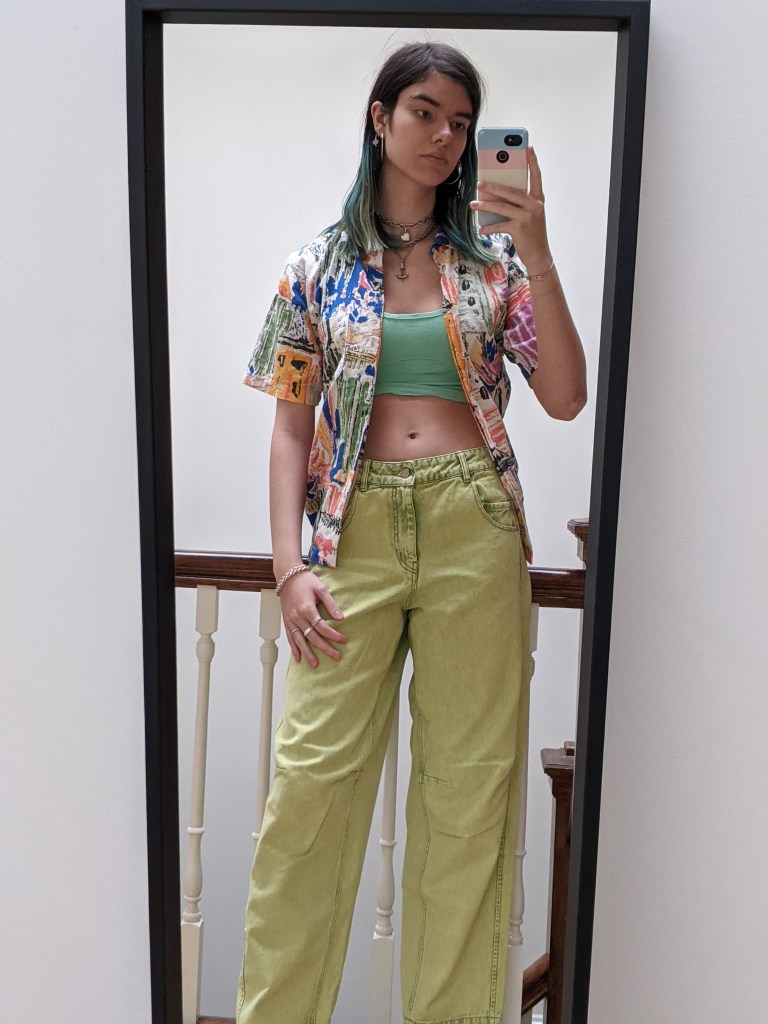
If you ever have trouble discerning at what point you should shift how you dress, you have plenty of examples around you with your classmates! Don’t be afraid to look around and take note of what other people are doing if you’re unsure of how to fit in a bit. People change how they dress with the seasons as well so if you are stumped with what to wear in winter for example, try and wait that out a bit. Also ignore the people who wear their jackets inside or put in minimal effort, like a sweater plus leggings as they won’t be a good indicator.
Some schools might even have a fashion oriented student association of some kind and people tend to be very nice so you can always send them a message asking for help shopping your city if you come from out of state. A good way to make friends as well.
For certain scenarios you might want to adjust how you dress a bit, so here are some of the following ways I recommend.
- Presentations
- For presentations you just want to look well put together. If it’s only in front of classmates and the professor I would just say keep everything neutral-ish. You don’t want whatever you’re wearing to distract from the material you’re presenting. If you have a certain style you always like to wear just tone it down on the colors and skin showing.
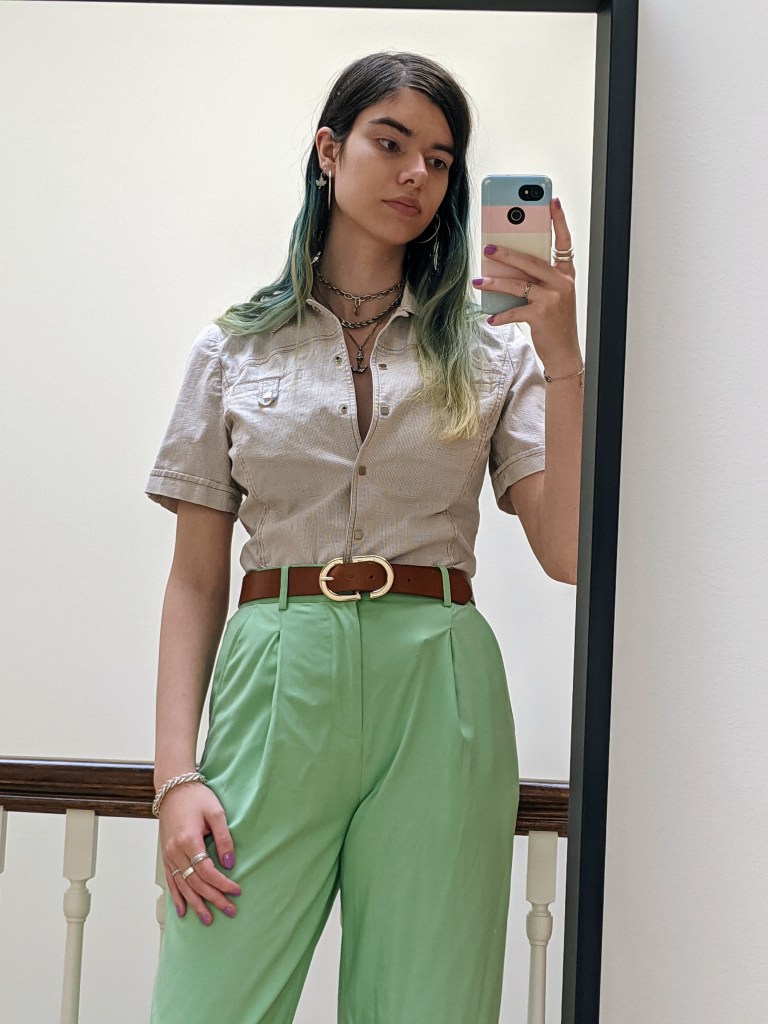

- Field/lab/internship looks
- For any of these you definitely want a more professional look as to fit in with people who might be supervising you. Even if you look younger, being well dressed can be what has people take you seriously. If you need movement then aim for that but your priority here should be well fitting clothes. NOTHING FLASHY, you’re not at the top of the ladder yet so it might come off as overconfidence or naivety which can show maybe this isn’t the right place for you yet.
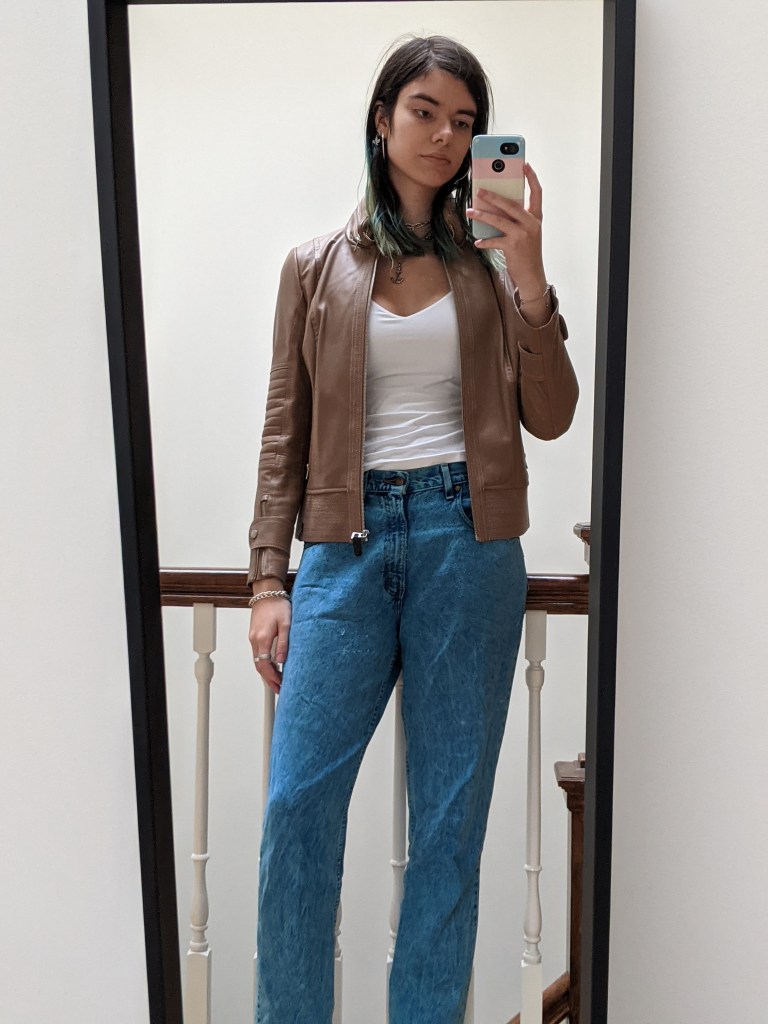

- Snobby programs, like law
- For programs like this I would avoid dressing in anything revealing. People tend to be super judgmental and will 100% base their opinion on you off appearance and first impressions alone. Key pieces to own are blazers, trousers, button up shirts, dress shoes.
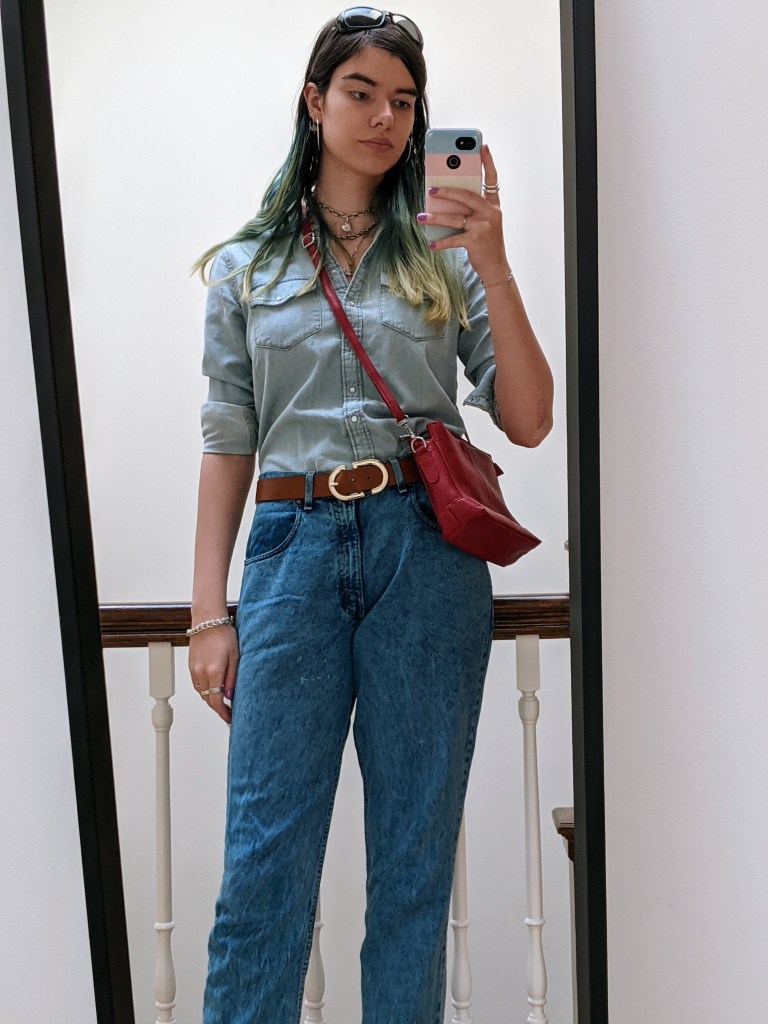
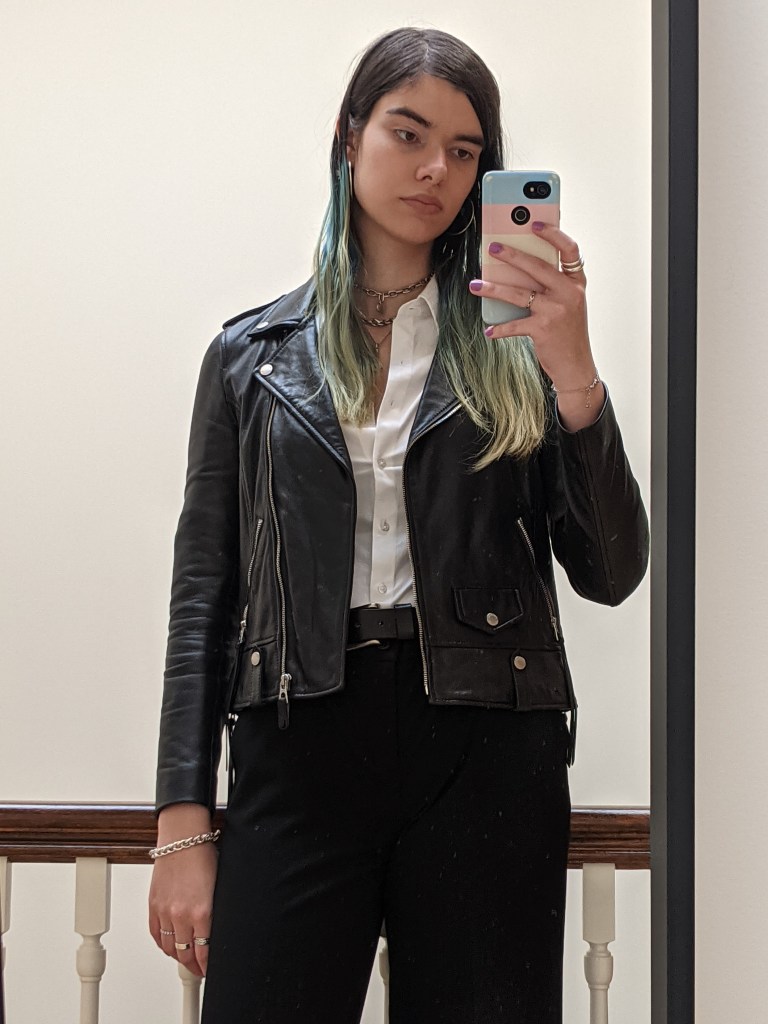
- Having fun outfits for stuff
- For places like extracurriculars or electives, dress however you want. Most young people these days don’t really care how others dress unless they come from a privileged place where they have the money to wear nice things all the time and are expected to look their best. Honestly you can just wear leggings and hoodies if you want but I would avoid clashing colors, you don’t want to be remembered as the person who dressed ‘weird’.
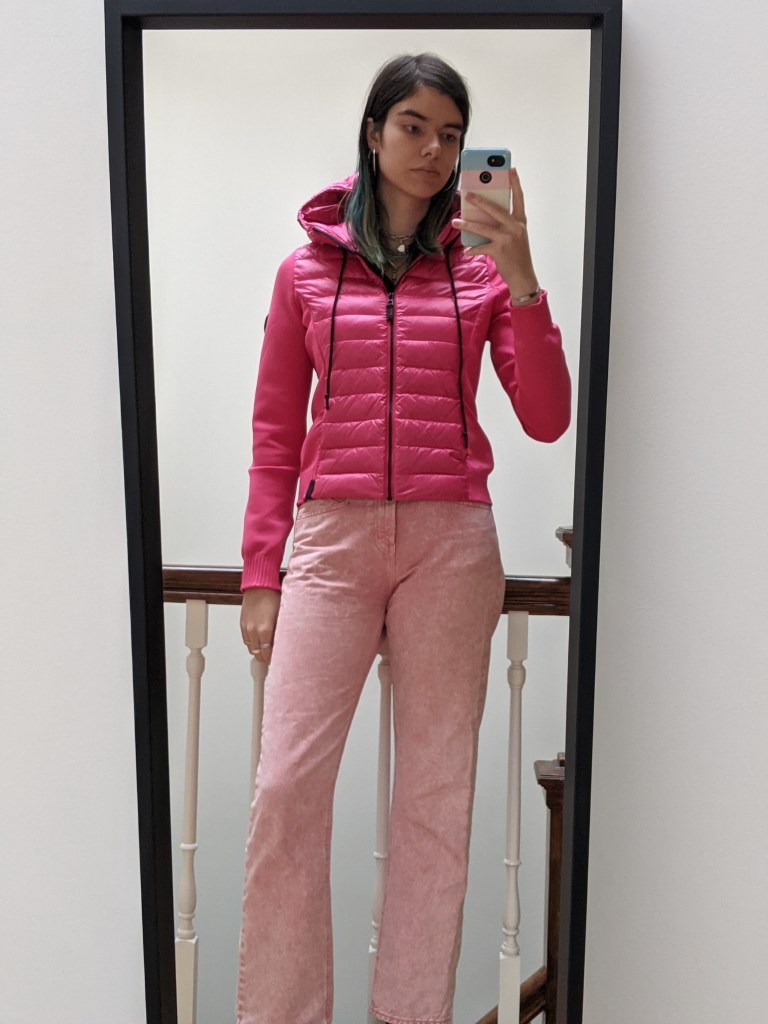
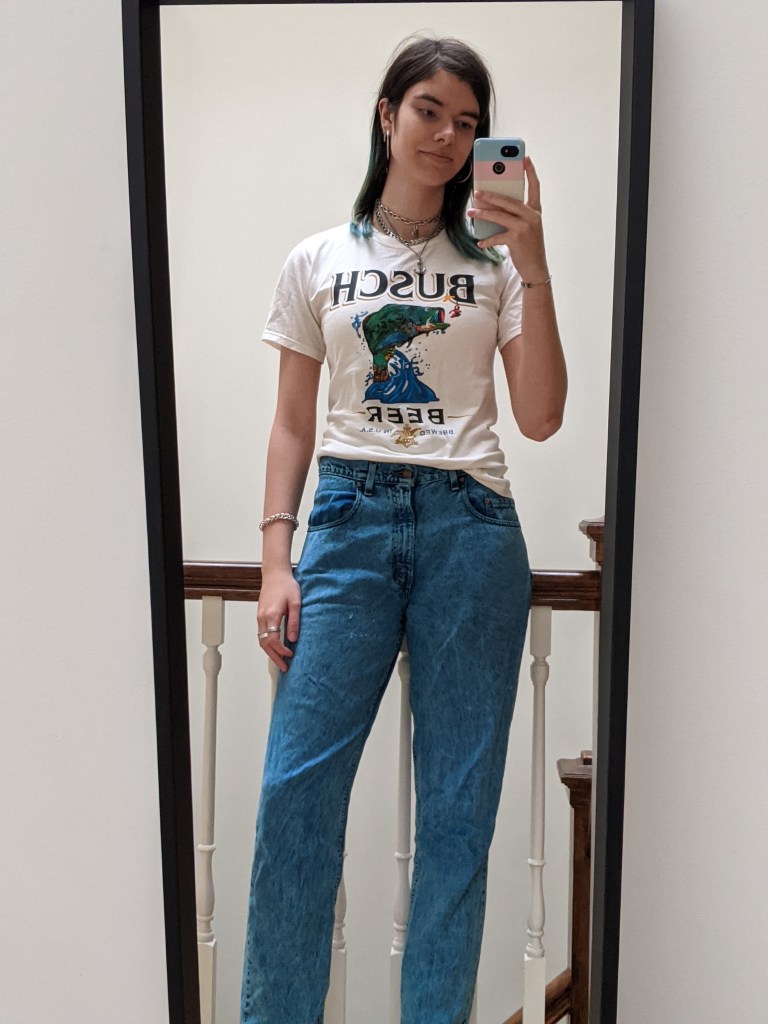
- Interview looks
- Let’s assume your interview is in person because honestly if it’s virtual you can wear either a button up shirt, blazer or regular sweater and no pants if you really wanted to. We’ll also assume this is for an entry level job and probably your first one because it does make a difference. Same principles apply from internship type things here, dress on the more conservative side but don’t overdo it. Light jewelry since it does need to seem like you actually need a job. If it looks like you care more about your clothes than the job, it can leave a bad impression. Your top half matters more since you will most likely be sitting down for it. Nice shirt/blazer and decent pants, just no sneakers for your shoes.

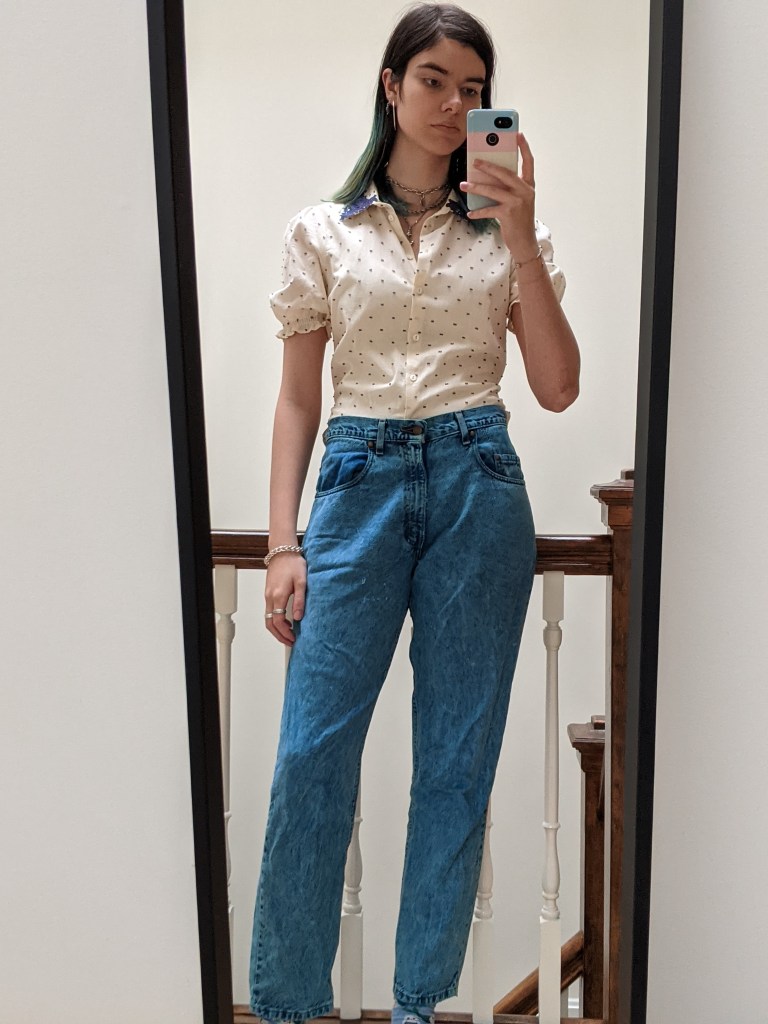
- Also wash your hair the day before, it’s a lot more noticeable in person if your hair doesn’t look great. If your hair is dyed (like blue and green for example) you can also expect that to negatively impact you if you’re being interviewed for a client facing role in an older institution like the government or law firm. In order to mitigate this I would tie your hair back in a braided bun that’s between your crown and nape.
So in conclusion, try to age into things! You’re not going to nail everything immediately but it’s great to get some practice dressing well and fit in to your demographic.
- Have a solid foundation of basic items as you can wear them
- Don’t dress too fancy or flashy most of the time! Everything goes but know what’s appropriate.
- Reserve your more ‘out there’ self expression for events and elective activities.
- Come up with looks for different events, not every class is going to be sitting down at a lecture so be prepared.
- Function over form, some days will be long so it’s okay to be comfortable if you feel it’s warranted.
 Transfemme Style
Leave a comment